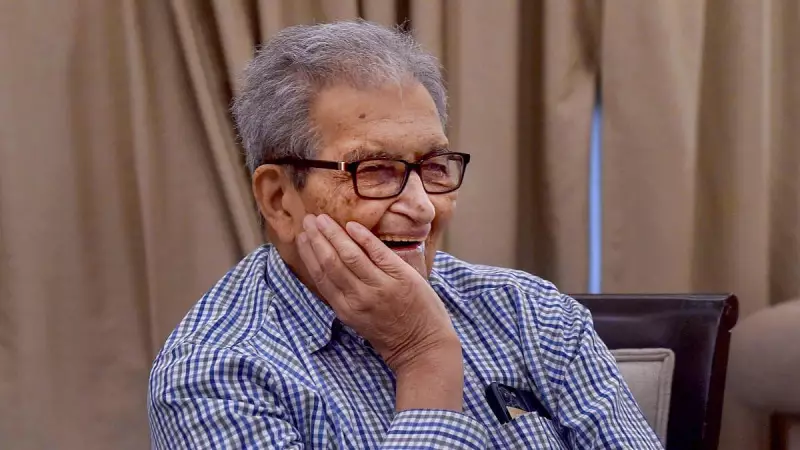
Nobel Prize-winning economist Amartya Sen has raised serious concerns about the implementation of the Special Intensive Revision (SIR) of electoral rolls in West Bengal, suggesting that a hurried approach could potentially jeopardize democratic participation in the state. The 92-year-old scholar, speaking from Boston in an exclusive interview with PTI, emphasized the critical importance of electoral roll revisions in strengthening voting rights when conducted properly.
Democratic Values at Stake
During his conversation with PTI, Sen reflected deeply on the fundamental democratic value of electoral roll revisions and the specific circumstances under which they can genuinely enhance voting rights for citizens. The economist, known for his extensive work on welfare economics and social choice theory, highlighted how electoral processes form the bedrock of democratic systems worldwide.
Timing and Implementation Concerns
Sen specifically pointed to concerns about the timing and implementation methodology of the Special Intensive Revision currently underway in West Bengal. The veteran economist suggested that when such revisions are conducted in haste, they risk excluding legitimate voters from the electoral process, thereby undermining the very democratic principles they are meant to serve.
"The democratic value of electoral roll revisions cannot be overstated," Sen remarked during the interview, "but these processes must be conducted with careful consideration, adequate time, and proper methodology to ensure they strengthen rather than weaken voting rights."
Potential Consequences for West Bengal
The concerns expressed by Sen come at a crucial time for West Bengal's democratic processes. The state has witnessed significant political developments in recent years, making inclusive and accurate electoral rolls particularly important for ensuring fair representation and democratic participation.
Sen's warning highlights several potential risks associated with rushed electoral roll revisions:
- Exclusion of eligible voters from the electoral process
- Compromised accuracy of voter registration data
- Reduced public confidence in electoral systems
- Potential impact on election outcomes and representation
Historical Context and Democratic Principles
The Nobel laureate drew upon his extensive knowledge of democratic theory and practice to contextualize his concerns. Sen has long advocated for democratic institutions and processes that genuinely serve citizens' interests, particularly in developing democracies like India.
Electoral roll revisions serve as fundamental mechanisms for ensuring that all eligible citizens can exercise their voting rights, but according to Sen, their effectiveness depends entirely on how they are implemented. The economist emphasized that proper timeframes, transparent processes, and adequate resources are essential components of successful electoral roll management.
Broader Implications for Indian Democracy
Sen's comments extend beyond West Bengal to touch upon broader questions about democratic processes throughout India. As the world's largest democracy, India faces unique challenges in maintaining accurate and inclusive electoral rolls across its vast and diverse population.
The economist's intervention comes at a time when electoral processes across various Indian states are undergoing scrutiny and reform. His perspective adds significant weight to ongoing discussions about how best to balance efficiency with thoroughness in electoral administration.
Sen concluded his remarks by emphasizing that "democratic participation is not just about having elections, but about ensuring that every eligible citizen can meaningfully participate in choosing their representatives." His warning serves as a timely reminder of the delicate balance required in electoral administration between timely implementation and thorough, inclusive processes.