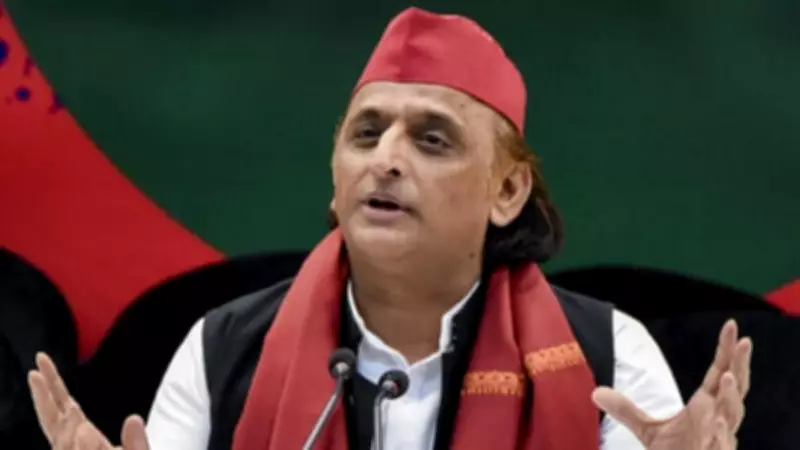
Akhilesh Yadav Challenges Modi's Legacy and Criticizes Iran Stance
In a sharp political critique, Samajwadi Party leader Akhilesh Yadav has openly questioned the achievements of Prime Minister Narendra Modi's record tenure, demanding clarity on what tangible outcomes have been delivered to the nation. This statement comes amid ongoing political debates as India navigates complex domestic and international landscapes.
Questioning the Prime Minister's Deliverables
Akhilesh Yadav, a prominent opposition figure, has raised pointed inquiries about the Modi government's performance over its extended period in power. He emphasized the need for accountability, asking specifically what the Prime Minister has accomplished during his time in office. This challenge reflects growing scrutiny from political rivals as election cycles approach and policy evaluations intensify.
The criticism extends beyond domestic affairs, with Yadav highlighting perceived shortcomings in India's foreign policy approach. He accused the central government of contributing to the isolation of Iran, a nation traditionally viewed as friendly towards India. This remark appears to reference recent geopolitical tensions, including the sinking of the Iranian warship IRIS Dena by a US submarine using a torpedo off the coast of Sri Lanka.

Foreign Policy Concerns and Regional Dynamics
Yadav's comments on Iran underscore broader concerns about India's diplomatic strategies in a volatile global environment. By labeling Iran as a "friendly" nation left "isolated," he suggests that the Modi administration's foreign policy may be undermining historical alliances and regional stability. This critique taps into ongoing debates about how India balances its relationships with major powers like the United States while maintaining ties with traditional partners in the Middle East.
The incident involving the IRIS Dena, though not directly attributed to Indian actions, serves as a backdrop for Yadav's argument that India's stance could have indirect consequences. He implies that by not more robustly supporting Iran, the government risks alienating a key regional actor, potentially affecting energy security, trade routes, and broader geopolitical alignments.
Political Implications and Public Discourse
This dual-pronged attack—targeting both domestic governance and foreign policy—positions Akhilesh Yadav as a vocal critic ahead of potential electoral contests. His questions about Modi's deliverables resonate with opposition narratives that seek to highlight unmet promises and policy gaps. Simultaneously, the focus on Iran isolation appeals to audiences concerned with India's global standing and diplomatic consistency.
As political temperatures rise, such statements are likely to fuel further debate in Parliament and public forums. The response from the ruling Bharatiya Janata Party and its allies will be closely watched, as they defend their record and foreign policy decisions. This exchange underscores the intense scrutiny that defines Indian politics, where every action and statement is dissected for its electoral and policy implications.
In summary, Akhilesh Yadav's remarks represent a significant political maneuver, challenging the Modi government on multiple fronts and setting the stage for heightened political discourse in the coming months.