Ajit Pawar's Tragic Demise Sends Shockwaves Through Maharashtra Politics
The sudden and tragic death of Maharashtra Deputy Chief Minister Ajit Pawar in a chartered plane crash near Baramati has created profound political tremors across the state. This unexpected event has not only stunned political circles but has also cast a dark shadow over the ongoing reconciliation efforts between the rival factions of the Nationalist Congress Party (NCP).
The Reconciliation Buzz That Preceded the Tragedy
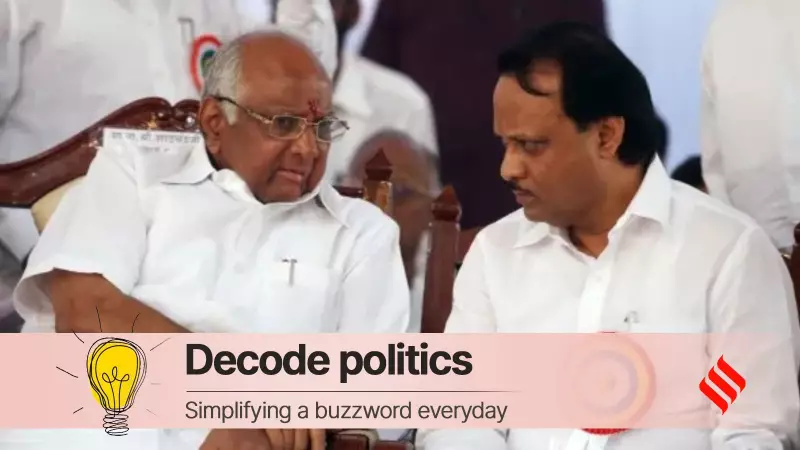
Just weeks before this devastating incident, political corridors were buzzing with speculation about a potential family and political reunion between the two Pawar-led factions. The divisions had originated from Ajit Pawar's dramatic 2023 breakaway to join the BJP-led Mahayuti government, creating a significant rift within the party.
Leaders from both camps had been dropping subtle public hints about possible reconciliation, and the factions had even demonstrated cooperation by contesting local body polls together in Pune. Many political observers viewed this collaborative effort as a symbolic experiment that could serve as a prelude to a larger merger.

Ajit Pawar himself had adopted a notably conciliatory tone in recent media interactions, deliberately downplaying past bitterness and signaling openness to rapprochement. He had emphasized his belief in "addition and not subtraction" when discussing party dynamics, indicating a shift toward unity rather than division.
The Political Arithmetic of a Potential Merger
Had the Pawar factions successfully reunited, the political implications would have been substantial both at the state and national levels. The combined NCP would have commanded eight Lok Sabha MPs, placing them just one seat behind the BJP's tally from Maharashtra. This numerical strength would have significantly altered the power dynamics within the state's political landscape.
Political insiders had been speculating about a carefully balanced arrangement that could accommodate both family and factional interests within the Mahayuti framework. There were even discussions about potential roles for Sharad Pawar's grandnephew Rohit Pawar in the state government and considerations for Ajit Pawar's wife in the Union Council of Ministers.
Immediate Aftermath and Emotional Reactions
In Delhi, the news of Pawar's death triggered immediate and deeply emotional responses. As information spread on Wednesday morning, party workers and leaders began gathering at the NCP's Delhi office located at 79, North Avenue. The prevailing mood was one of complete disbelief and profound shock.
Party national general secretary and chief spokesperson Brijmohan Shrivastav recalled Pawar's last visit to the office approximately five months earlier, noting that they had discussed ambitious plans for party expansion in Delhi and municipal elections. Inside Shrivastav's room, a small group of leaders shared heartfelt memories of Pawar's "affable nature" and his remarkable ability to make even junior workers feel valued and important.
The Leadership Vacuum and Future Uncertainties
Beyond the immediate grief, Pawar's death has created a significant leadership vacuum within his faction. Many had viewed him as a crucial bridge—however fragile—between the BJP and sections of the Pawar family, as well as between the two NCP factions themselves. His faction had enjoyed greater legislative strength and a firm position within the government, while Sharad Pawar's camp retained symbolic authority and maintained a separate support base.
Critical questions now emerge regarding:
- Who will lead Ajit Pawar's faction moving forward
- How cohesive the faction will remain without its charismatic leader
- Whether the momentum toward reunion with Sharad Pawar's side can survive this tragedy
Some political analysts suggest that the leadership crisis might even hasten the reunification process, as the NCP grapples with finding a successor of comparable stature to Ajit Pawar.

Broader Political Implications and Alliance Dynamics
For the BJP and its Mahayuti partners, this development significantly complicates alliance arithmetic in Maharashtra, a politically crucial state. What had been shaping up as a potentially advantageous consolidation now gives way to uncertainty, potential succession struggles, and fresh negotiations among political stakeholders.
The death of Ajit Pawar represents not only a profound personal and organizational loss for his supporters but has also abruptly altered the trajectory of a political realignment that could have reshaped Maharashtra's power structure in the coming months. The political equations that seemed to be moving toward resolution have now been thrown into complete disarray, creating new challenges and uncertainties for all parties involved.