The passing of Ajit Pawar, a prominent figure in Indian politics, has sparked a remarkable transformation in a town that was previously fragmented by his divisive political strategies. In a poignant turn of events, his death has served as a unifying force, bridging gaps that his career had created over the years.
A Legacy of Division and Unity
Ajit Pawar, known for his influential role in Maharashtra's political landscape, often employed tactics that polarized communities and fueled local rivalries. His actions, while advancing his political agenda, left deep scars in the social fabric of the town, leading to longstanding divisions among residents.
The Impact of His Political Maneuvers
Throughout his career, Pawar's decisions and alliances frequently pitted different groups against each other, resulting in a fractured community. His approach to governance and electioneering was marked by sharp contrasts, making him a controversial yet powerful figure in the region.

How Death Brought Reconciliation
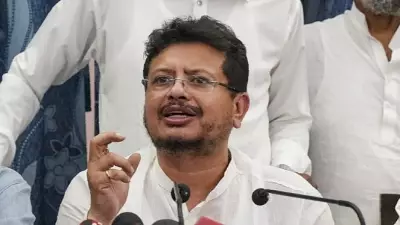
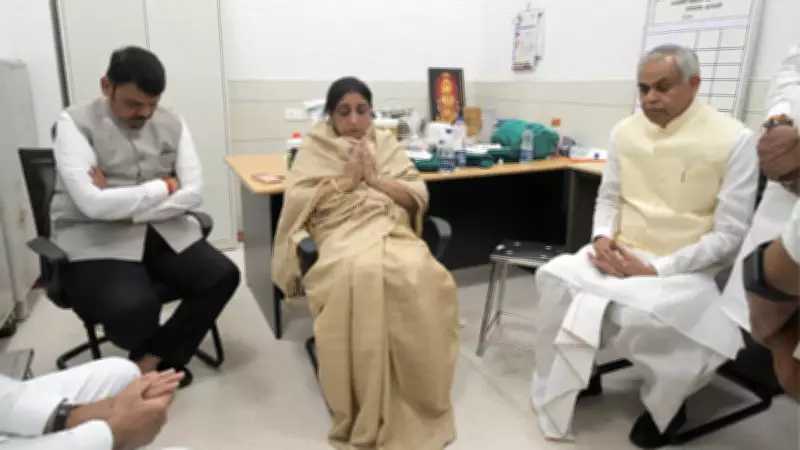
In the wake of his demise, an unexpected wave of solidarity has swept through the town. Residents from all walks of life, regardless of their past political affiliations, have come together to mourn his loss. This collective grief has overshadowed previous animosities, fostering a sense of shared humanity and mutual respect.
Community Responses and Reflections
Local leaders and citizens have expressed mixed emotions, acknowledging Pawar's contributions while reflecting on the divisions he caused. Many note that his death has prompted introspection about the nature of politics and its effects on community cohesion.
Key aspects of this transformation include:
- Increased dialogue between opposing factions, leading to a reduction in tensions.
- Joint memorial events organized by former rivals, symbolizing a newfound unity.
- Public discussions on moving beyond political differences for the town's betterment.
Broader Implications for Indian Politics
This incident sheds light on the complex dynamics of political legacies in India, where leaders can simultaneously divide and unite communities. It raises questions about how politicians are remembered and the lasting impact of their actions on societal harmony.
As the town navigates this period of reconciliation, Pawar's death serves as a reminder of the power of collective mourning to heal old wounds. His story underscores the delicate balance between political ambition and community welfare, offering lessons for future leaders in fostering unity over division.