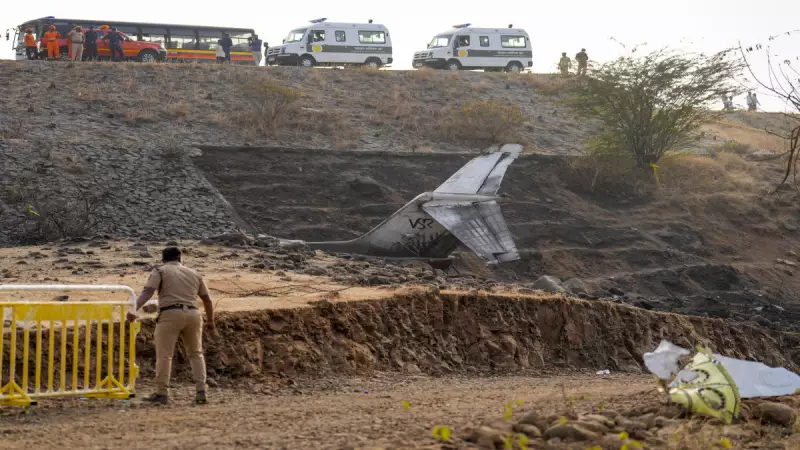
Ajit Pawar Plane Crash: Understanding the Role of Landing Systems in Aviation Safety
The recent plane crash involving prominent political figure Ajit Pawar has sent shockwaves across India, highlighting critical concerns about aviation safety protocols. This incident, which occurred under challenging weather conditions, has prompted experts to scrutinize the role of advanced landing systems in preventing such tragedies. As investigations unfold, understanding the technical aspects of these systems becomes paramount for enhancing flight safety measures nationwide.
What Is an Instrument Landing System (ILS)?
An Instrument Landing System, commonly referred to as ILS, is a ground-based navigation aid that provides precise guidance to aircraft during the final approach and landing phases. This sophisticated system utilizes radio signals to create a virtual pathway in the sky, enabling pilots to align their aircraft correctly with the runway even in poor visibility conditions such as fog, rain, or darkness. The ILS consists of two main components: the localizer, which guides the aircraft horizontally, and the glide slope, which controls the vertical descent angle.
Modern aviation heavily relies on ILS to ensure safe landings, especially at airports with high traffic or in regions prone to adverse weather. The system's accuracy allows pilots to maintain a stable approach, reducing the risk of human error and enhancing overall flight safety. In the context of the Ajit Pawar plane crash, the availability and functionality of such systems could have been a decisive factor in averting the mishap.

How Could the Landing System Have Averted the Mishap?
In the case of the Ajit Pawar plane crash, preliminary reports suggest that the aircraft encountered severe weather conditions during its approach. An operational Instrument Landing System could have provided the pilot with critical real-time data to navigate through these challenges effectively. By offering precise lateral and vertical guidance, the ILS would have helped the pilot maintain the correct flight path, potentially preventing the deviation that led to the crash.
Furthermore, the landing system integrates with other safety features such as runway lighting and automated warnings, creating a comprehensive safety net. In scenarios where visibility is compromised, these systems work in tandem to alert pilots of any deviations from the optimal landing trajectory. Experts argue that had the aircraft been equipped with or had access to a fully functional ILS, the pilot might have received timely alerts to correct the course, thereby avoiding the tragic outcome.
Broader Implications for Aviation Safety in India
This incident underscores the urgent need for upgrading and standardizing landing systems across Indian airports. While major international airports are equipped with state-of-the-art ILS, many regional and smaller airports still lack these advanced technologies. The Ajit Pawar plane crash serves as a stark reminder that investing in robust aviation infrastructure is non-negotiable for ensuring passenger safety.
Aviation authorities must prioritize the installation and maintenance of Instrument Landing Systems at all airports, particularly those serving political leaders and high-profile individuals. Regular training for pilots on utilizing these systems under extreme conditions is equally crucial. As India continues to expand its aviation network, integrating cutting-edge safety technologies will be key to preventing future mishaps and building public trust in air travel.
In conclusion, the Ajit Pawar plane crash has brought to light the critical importance of landing systems in aviation safety. By leveraging technologies like the Instrument Landing System, the aviation industry can mitigate risks and enhance operational reliability, ensuring that such tragedies are averted in the future.