Unanswered Questions Surrounding Ajit Pawar's Final Flight
The tragic plane crash that claimed the life of Maharashtra's deputy chief minister Ajit Pawar has left numerous critical questions unanswered as investigators piece together the final moments of the ill-fated flight. The incident at Baramati airfield has raised significant concerns about aviation safety protocols and pilot decision-making during challenging landing conditions.
Pilot Decisions and Landing Attempts
Why did the pilots attempt a second landing at Baramati airfield? According to preliminary reports, the flight crew could not visually identify Runway 11 during their initial approach. This led them to execute a go-around maneuver and reposition the aircraft for another landing attempt. The decision to proceed with a second approach rather than diverting to an alternative airport remains a key focus of the ongoing investigation.
What inconsistency did the crew report during the second approach? Investigators have noted a puzzling discrepancy in pilot communications. Initially, the crew reported that the runway was not visible, but later indicated they had it in sight. This raises serious questions about situational awareness during the critical final approach phase, potentially indicating confusion or changing visibility conditions.

Communication and Emergency Protocols
Did the flight crew issue a Mayday or distress call before the crash? Aviation authorities confirm that no formal distress call was transmitted from the aircraft. This suggests either that the pilots did not perceive an immediate emergency situation developing, or that events unfolded too rapidly for them to declare an emergency through proper channels.
What communication lapse occurred just before the crash? Records indicate the crew failed to provide a standard readback after receiving clearance to land from ground services. Shortly after this communication gap, witnesses observed flames near the runway, pointing to potential miscommunication or misunderstanding between the cockpit and ground personnel.
Airfield Conditions and Safety Infrastructure
What type of airfield is Baramati, and why is it significant? Baramati operates as an uncontrolled airfield without air traffic control services. This places complete responsibility for navigation, approach, and landing decisions squarely on the pilots' shoulders, requiring heightened situational awareness and decision-making capabilities.
What were the weather and visibility conditions at the time of landing? Meteorological data indicates visibility was approximately 3,000 meters with calm wind conditions. Pilots had been advised to land under visual flight rules at their discretion, suggesting conditions were within acceptable parameters for experienced flight crews.
Regulatory Oversight and Investigation Details
Did DGCA audits raise any safety red flags about the operator before the crash? The Directorate General of Civil Aviation's most recent audit in February 2025 found the operator fully compliant with safety regulations, with no Level-I safety deficiencies identified. This raises questions about whether existing audit protocols adequately capture operational risks.
What does the DGCA timeline reveal about the aircraft's final minutes? Official records show the aircraft attempted two separate approaches, maintained communication with ground services throughout, and received landing clearance just minutes before witnesses reported seeing flames near the runway threshold.
Crash Site Analysis and Investigation Authority
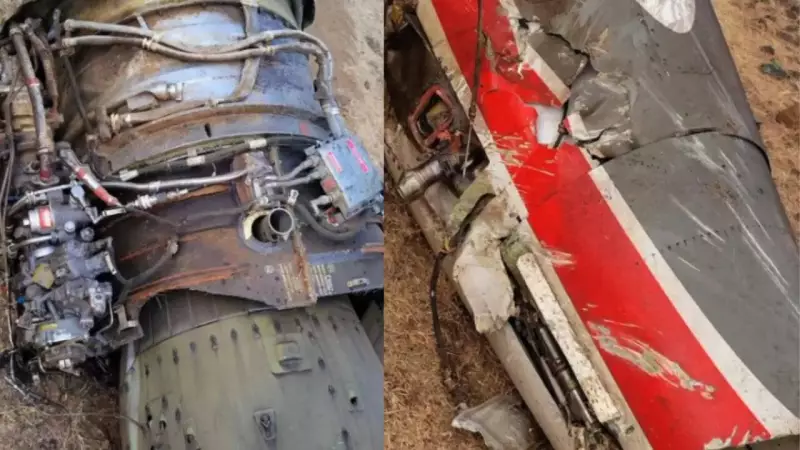
Where exactly was the wreckage found in relation to the runway? The aircraft came down just short of Runway 11, positioned on the left side near the threshold area. This placement indicates significant misalignment during the final landing attempt, suggesting either navigational errors or last-minute course corrections.

Who is responsible for investigating the crash, and why? The Aircraft Accident Investigation Bureau has taken charge of the investigation as mandated by aviation safety regulations for all fatal accidents. Their probe will examine technical, operational, and human factors to determine the crash's root causes and recommend preventive measures.
As the investigation continues, these unanswered questions highlight the complex interplay of factors that may have contributed to this tragic aviation incident. The findings will not only provide closure to the families affected but also potentially reshape safety protocols for operations at uncontrolled airfields across India.