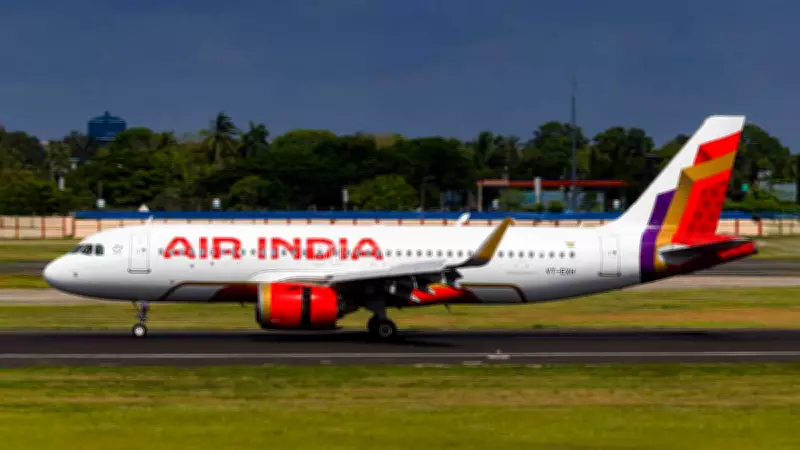
An Air India flight operating from Mumbai to Bhopal was forced to make an emergency landing on Wednesday after experiencing a mid-air technical snag. The incident occurred when the aircraft was en route to its destination, prompting the pilots to declare an emergency and land the plane safely at Bhopal's Raja Bhoj Airport.
Details of the Incident
The flight, identified as AI-123, departed from Mumbai's Chhatrapati Shivaji Maharaj International Airport at around 10:30 AM. About 45 minutes into the flight, the crew detected a technical issue and immediately followed standard operating procedures. The pilots communicated with air traffic control and decided to divert to Bhopal as a precautionary measure.
Passenger Safety
All 120 passengers and 6 crew members on board are safe. The airline confirmed that there were no injuries. Passengers were deplaned normally after the aircraft came to a halt. Air India officials stated that the aircraft underwent a thorough inspection by engineers.

Airline Response
An Air India spokesperson said, "The safety of our passengers and crew is our top priority. The aircraft landed safely, and we are arranging alternative travel arrangements for the affected passengers." The airline also assured that a detailed investigation into the technical snag would be conducted.
Previous Incidents
This is not the first time an Air India flight has faced a mid-air technical issue. In recent months, several Indian carriers have reported similar incidents, raising concerns about aircraft maintenance and safety protocols. Aviation authorities have been urged to tighten oversight.
Passengers expressed relief after the safe landing. One passenger said, "We felt a sudden jerk, but the crew handled the situation professionally. We are grateful to be safe." The flight was originally scheduled to land in Bhopal at 12:00 PM but landed at 11:45 AM after the emergency was declared.
Conclusion
The emergency landing underscores the importance of rigorous safety checks and crew training. Air India continues to cooperate with aviation authorities to ensure the highest safety standards.