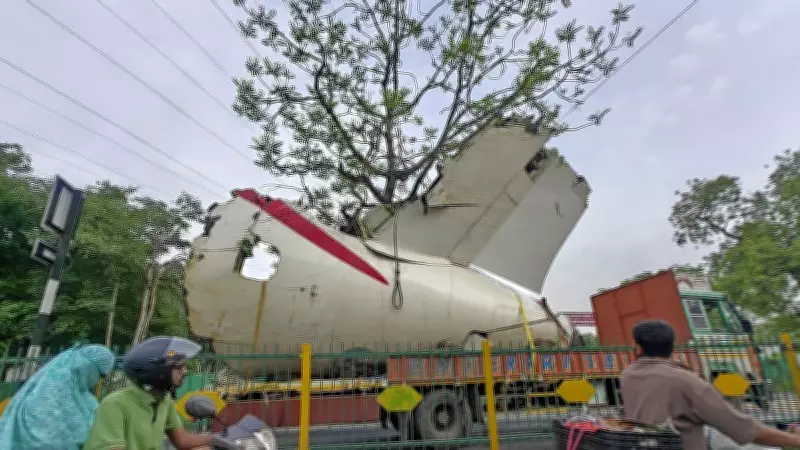
AI171 Crash: A Year Without Answers
It has been a year since the tragic crash of Air India flight AI171, and the families of the victims are still waiting for answers. The investigation, which was expected to conclude within months, has now extended beyond a year, with no clear timeline for completion. As speculation grows, accountability risks becoming the final casualty of this tragedy.
Investigation Delays and Growing Speculation
The official investigation into the crash has faced numerous delays, attributed to complex technical analysis and bureaucratic hurdles. Meanwhile, unverified theories and rumors have filled the information void, causing further distress to the bereaved families. Aviation experts have called for transparency and urgency in the probe to prevent misinformation from taking root.
Families Demand Closure
Relatives of the 179 victims have staged protests and filed petitions, demanding a swift and thorough investigation. Many have expressed frustration over the lack of communication from authorities. "We need answers, not excuses," said a spokesperson for the victims' families. "Every day without closure is a day of renewed pain."

Accountability at Risk
The prolonged investigation has raised concerns about accountability. If the probe continues to stall, key evidence may degrade, and those responsible may escape justice. Legal experts warn that the delay could undermine public trust in aviation safety and regulatory bodies. The crash has already led to heightened scrutiny of Air India's maintenance protocols and pilot training programs.
Government Response
The Ministry of Civil Aviation has assured that the investigation is being conducted with the highest priority. A senior official stated, "We are committed to uncovering the truth and ensuring that such a tragedy does not recur. However, we must allow the investigative agencies to do their job without undue pressure." Critics argue that this response lacks concrete action and timelines.
Aviation Safety Reforms
In the wake of the crash, several safety reforms have been proposed, including mandatory black box upgrades and enhanced crew training. However, implementation has been slow. Industry insiders point to budget constraints and bureaucratic inertia as major hurdles. The crash has also reignited debates about the privatization of Air India and its impact on safety standards.
Looking Ahead
As the first anniversary of the crash passes, the need for answers has never been more urgent. The families of the victims deserve closure, and the flying public deserves assurance that such a tragedy will not happen again. The investigation must be expedited, and accountability must be ensured. Otherwise, the legacy of AI171 will be not just a tragic accident, but a failure of justice.