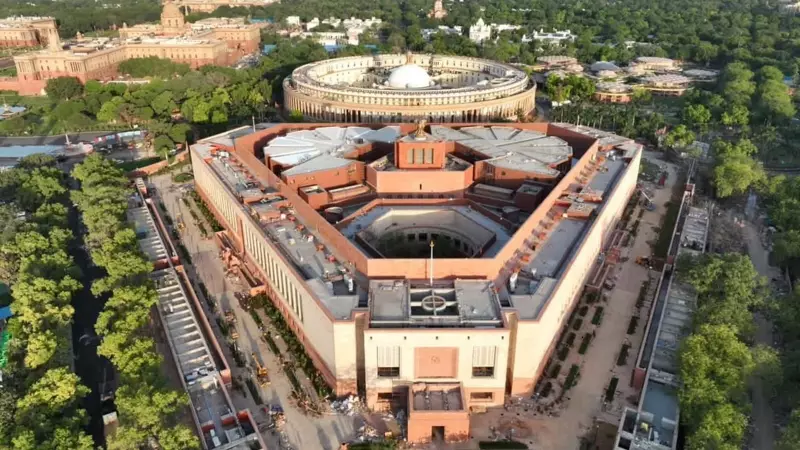
Lok Sabha Speaker Om Birla made a significant announcement on Monday. Starting next year, Artificial Intelligence will translate parliamentary proceedings and official paperwork into 22 scheduled languages. This marks the first time both Houses' proceedings and documents will be fully accessible to the public.
Enhancing Legislative Processes with Technology
The Lok Sabha Secretariat is driving this initiative to speed up legislative work. They aim to use technology for better efficiency. This includes digitizing historical records and budgets across legislatures. It also ensures faster delivery of official answers to MPs' questions before House sessions. This allows members to prepare supplementary questions in time.
Addressing Timely Bill Circulation
Birla addressed concerns from the Opposition about last-minute bill circulations by the Treasury Benches. He stated he has urged the government to improve this process. More efforts will ensure bills are circulated early. MPs will then have ample time to study and debate them properly.

Commitment to a Deputy Speaker
The Speaker also confirmed the need for a deputy speaker in the Lok Sabha. He emphasized that the process must happen as required.
Promoting Public Accessibility and Democracy
Birla spoke at a press conference for the 28th Conference of Speakers and Presiding Officers of the Commonwealth. Prime Minister Narendra Modi will inaugurate the event on Thursday. Birla highlighted Parliament's responsibility to make proceedings accessible to people. He believes public partnership strengthens democracy. Many attempts in this direction will show results soon.
He explained the real-time translation in 22 languages adds linguistic diversity to India's richness. India's Parliament becomes unique globally with this feature. Birla expressed hope for full implementation across all 22 languages.
Implementation Timeline and Current Status
The initiative depends on AI tools learning regional languages effectively. Birla suggested it might fully take off in 2027. Sources indicate implementation could start by late 2026. Currently, translations are available in only 10 of the 22 scheduled languages.
All translation staff in the Lok Sabha Secretariat work on contract basis. The secretariat plans to appoint younger individuals for translating House and committee meetings.
Historical Context of Parliamentary Translations
Original debates and summarized translations have been prepared since the 1st Lok Sabha. Summaries include English speeches in Hindi and Hindi speeches in English. Full Hindi versions started from the 1978 session of the 6th Lok Sabha. Full English versions began in January 1985 with the 8th Lok Sabha.
Question lists in Indian languages have been available since July 2023, from the 17th Lok Sabha's 12th session.
Commonwealth Speakers Conference Details
The CSPOC conference runs from January 14 to 16 at Samvidhan Sadan. Sixty-one speakers and presiding officers are expected to attend. Bangladesh will not participate due to parliamentary suspension. Pakistan is unlikely to send representatives.
This conference returns to India after 16 years, with record participation. It aims to uphold impartiality and empower parliamentary democracy in Commonwealth nations. India previously hosted CSPOC in 1971, 1986, and 2010.
This year's edition focuses on AI and social media in parliamentary functions. It also promotes innovation, citizen participation, and MPs' security, health, and well-being.