Abhaya's Mother Transforms Personal Tragedy Into Political Crusade for Justice
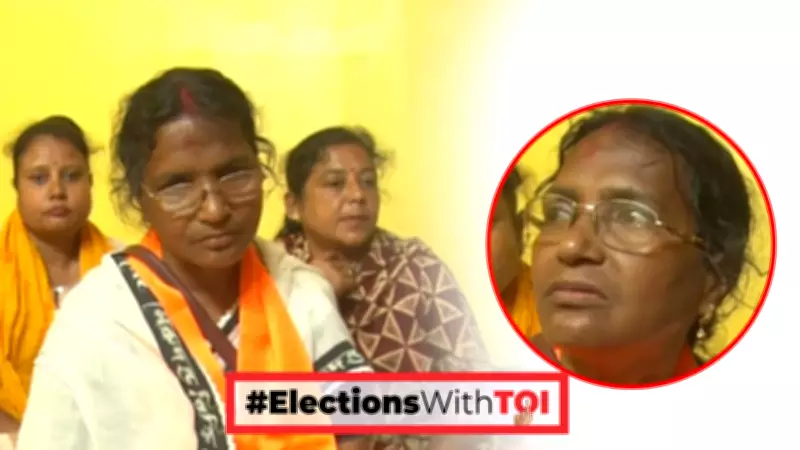
In a deeply emotional and politically charged campaign in Panihati, the mother of Abhaya is channeling her profound personal grief into a powerful political message that centers squarely on justice and accountability. Her outreach has been marked by raw, heartfelt scenes, with numerous women expressing strong solidarity and directly linking the RG Kar case to their upcoming voting decisions.
An Unintended Path Forced by Tragedy
During an extensive and revealing interaction, Abhaya's mother explained that politics was never her intended career path or personal ambition. However, she stated it became an absolute necessity after the tragic death of her daughter was thrust into the harsh glare of public discourse and political debate. She described how the personal loss was no longer a private matter, compelling her to step into the public arena to seek answers and action.
Allegations of Systemic Failures and Corruption
The campaign is built on serious allegations of institutional and systemic failures. Abhaya's mother has publicly alleged grave lapses in the handling of her daughter's case, including disturbing attempts to dispose of the body and what she describes as deep-rooted corruption within the system. She frames her unprecedented entry into the electoral fray not as a quest for power, but as a strategic and necessary means to relentlessly pursue justice through political channels and legislative influence.

Justice Remains the Unwavering Top Priority
Emphasizing her core mission, she has repeatedly declared that her ongoing legal battle remains her top and non-negotiable priority. Every political speech and public appearance reinforces this central goal. However, she has also skillfully positioned her fight as one that extends far beyond her own personal loss. It is now framed as a broader, urgent struggle for women's safety, dignity, and fundamental rights across society.
Her message resonates as a call for systemic change, arguing that true justice for her daughter cannot be achieved without addressing the wider failures that endanger all women. The campaign in Panihati has thus become a potent symbol, transforming individual mourning into a collective demand for accountability and reform, with the upcoming elections serving as a critical platform for this cause.