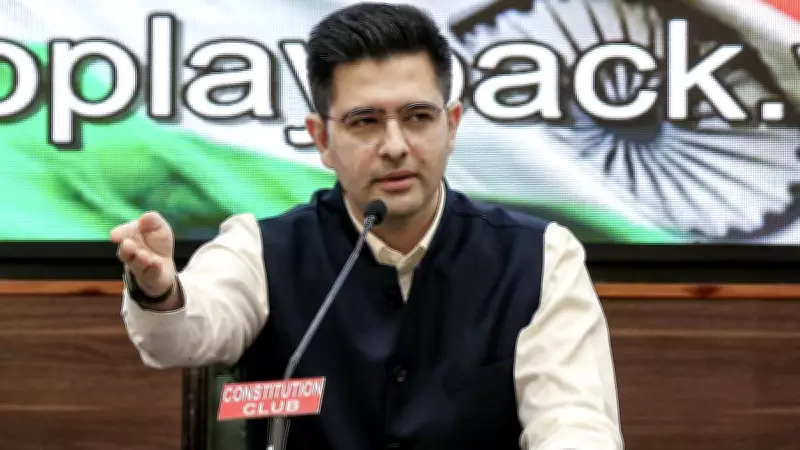
The Aam Aadmi Party (AAP) has submitted a petition to the Rajya Sabha chairman seeking the disqualification of seven of its MPs who merged with the Bharatiya Janata Party (BJP). The party's Rajya Sabha floor leader argued that the move by the seven MPs amounted to defection under the Tenth Schedule of the Constitution and the anti-defection law.
Petition Details
The petition, submitted on April 26, 2026, alleges that the seven MPs voluntarily gave up their membership of AAP by merging with the BJP without following the legal procedures. The AAP floor leader stated that the merger was not a merger of the party but an individual act of defection, which invites disqualification under the anti-defection law.
The Tenth Schedule of the Constitution, also known as the anti-defection law, provides for the disqualification of members of Parliament or state legislatures if they defect from their party. However, a merger is allowed if two-thirds of the members of a party agree to merge with another party. In this case, AAP claims that the merger was not valid as the required number of members did not agree.

Political Implications
This development has significant political implications, as it could affect the strength of the BJP in the Rajya Sabha. The seven MPs were elected on AAP tickets and their defection has been a major boost for the BJP in the upper house. If disqualified, the BJP would lose these seats, potentially altering the balance of power.
AAP has been vocal against defections and has previously sought action against other MPs who left the party. The party has urged the Rajya Sabha chairman to take swift action and uphold the anti-defection law.
Response from BJP
The BJP has not yet officially responded to the petition. However, party sources have indicated that they believe the merger was legal and that the MPs had the right to join the BJP. The matter is now pending before the Rajya Sabha chairman, who will decide on the disqualification petition.
This case is likely to be closely watched as it could set a precedent for future defections and mergers in Indian politics. The anti-defection law has been a subject of debate, with many calling for stricter enforcement to prevent political instability.