AAP Removes Raghav Chadha as Deputy Leader in Rajya Sabha
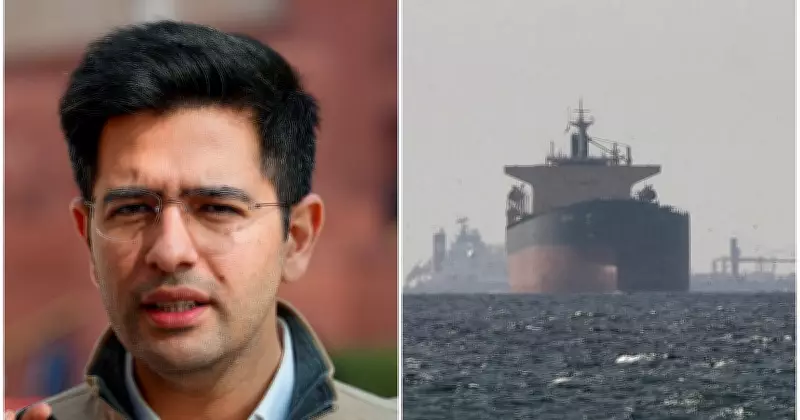
In a significant political development, the Aam Aadmi Party (AAP) has removed Raghav Chadha from his position as the deputy leader of the party in the Rajya Sabha. This decision marks a notable shift within the party's parliamentary strategy and leadership structure. The move comes amid ongoing discussions about AAP's approach to national politics and its representation in the upper house of Parliament.
Details of the Removal
The party announced the removal on April 2, 2026, as part of its internal reorganization efforts. Raghav Chadha, who has been a prominent figure in AAP and an active member in the Rajya Sabha, will no longer hold the deputy leader role. This change is expected to impact the party's dynamics in parliamentary proceedings and could signal broader changes in its political agenda.
Implications for AAP: The removal of Chadha may reflect internal adjustments within AAP as it navigates the complex landscape of Indian politics. It could also influence the party's future decisions and alliances in the Rajya Sabha.

UK to Host Talks with 35 Countries on Reopening Strait of Hormuz
In international news, the United Kingdom is preparing to host crucial talks involving 35 countries, including India, focused on reopening the Strait of Hormuz. This strategic waterway is vital for global oil shipments, and its closure has raised concerns about energy security and international trade.
Scope of the Talks
The discussions, scheduled to take place in the UK, aim to address the challenges and logistics of reopening the strait. Participants will include key stakeholders from around the world, with India playing a significant role given its reliance on oil imports through this route. The talks are part of broader diplomatic efforts to ensure stability in the region and maintain smooth maritime operations.
Importance of the Strait of Hormuz: As a critical chokepoint for oil transportation, the strait's status directly affects global energy markets. Its reopening is essential for preventing disruptions in supply chains and mitigating economic impacts.
India's Involvement
India's participation in these talks underscores its strategic interests in the Middle East and its commitment to collaborative solutions for international issues. The country's engagement is expected to contribute to finding a viable path forward for reopening the strait, benefiting both regional and global economies.
These developments highlight key political and diplomatic moves shaping current affairs, with potential ramifications for domestic politics in India and international relations worldwide.