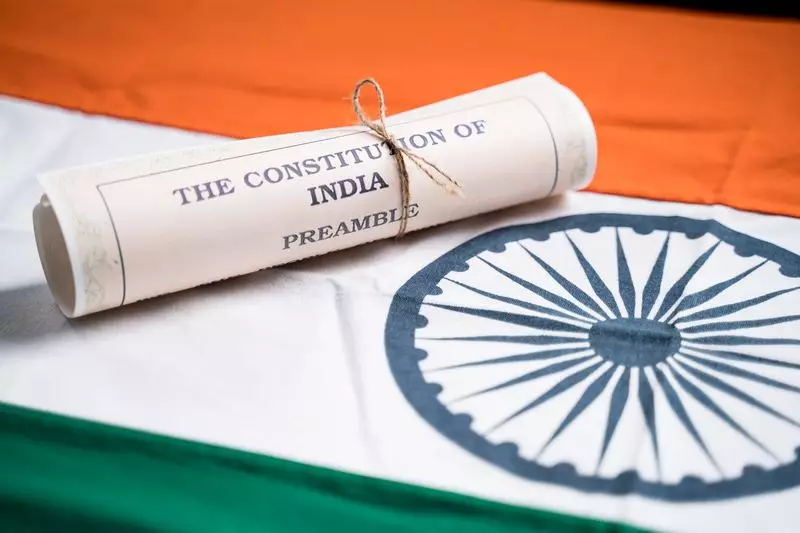
Seventy-six years ago, on November 26, 1949, a pivotal moment in India's history unfolded as 264 members of the Constituent Assembly put their signatures on the Indian Constitution. This monumental act laid the groundwork for the world's largest democracy, establishing a framework of governance that has guided the nation for over seven decades.
A Historic Day for Indian Democracy
The signing ceremony was not merely a procedural step but a profound declaration of India's commitment to democratic principles, justice, liberty, equality, and fraternity. The Constitution, which came into effect on January 26, 1950, embodies the aspirations of a newly independent nation, crafted through extensive debates and deliberations over nearly three years.
Jairam Ramesh Highlights the Significance
Congress leader Jairam Ramesh recently emphasized the importance of this anniversary, reminding citizens of the dedication and vision of the founding members. In his remarks, he underscored how the Constitution serves as a living document, adapting to contemporary challenges while preserving its core values. Ramesh pointed out that the signatures of those 264 individuals symbolize a collective pledge to uphold the rights and freedoms enshrined in the document.

The Legacy of the Constituent Assembly
The Constituent Assembly, chaired by Dr. B.R. Ambedkar, comprised diverse representatives from across the country, including leaders from various political, social, and cultural backgrounds. Their collaborative efforts resulted in a Constitution that is celebrated for its inclusivity and foresight. Key features such as fundamental rights, directive principles, and a federal structure were meticulously designed to ensure a balanced and equitable society.
As India commemorates this anniversary, it is an opportunity to reflect on the enduring relevance of the Constitution. In today's dynamic political landscape, the document continues to inspire debates on governance, rights, and national identity. The anniversary serves as a reminder of the responsibilities that come with citizenship in a democratic republic.
Looking ahead, the principles embedded in the Constitution remain crucial for addressing modern issues like social justice, economic development, and environmental sustainability. By honoring the legacy of those 264 signatories, Indians reaffirm their commitment to a democratic ethos that values dialogue, diversity, and dignity for all.