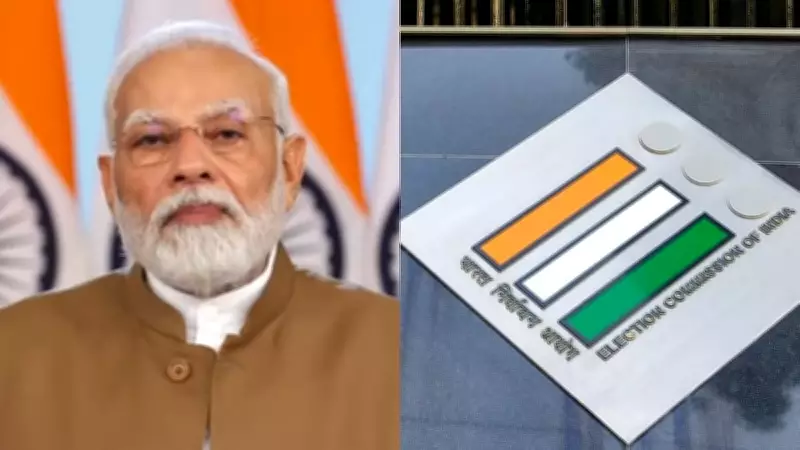
Massive Complaint Filed with Election Commission Over PM Modi's Address
A significant political development has unfolded as 714 prominent leaders and activists have formally lodged a complaint with the Election Commission of India (ECI). The complaint centers on allegations that Prime Minister Narendra Modi's recent address to the nation violated the Model Code of Conduct (MCC).
Details of the Formal Grievance
The comprehensive complaint, submitted on April 20, 2026, specifically cites Section VII of the MCC, which governs the conduct of the party in power during election periods. This section is designed to prevent the misuse of official machinery and ensure a level playing field for all political entities.
The signatories include a diverse group of political figures and civil society members, most notably Congress leader Digvijaya Singh. The collective action represents one of the largest coordinated complaints filed with the ECI in recent memory, highlighting the heightened political tensions surrounding the address.

Core Allegations and Political Context
The complainants argue that the Prime Minister's national address, delivered during a critical period governed by the MCC, constituted an improper use of his official position to influence public opinion. They contend that such communications should be strictly neutral and avoid any content that could be construed as campaigning or partisan advantage.
"This is a clear attempt to bypass the democratic norms established by the Election Commission," one of the signatories stated, emphasizing the need for strict adherence to the code to preserve electoral integrity.
Potential Implications and ECI's Role
The Election Commission of India now faces the task of reviewing the substantial complaint and determining whether any provisions of the Model Code of Conduct were indeed breached. Key considerations will include:
- The timing and content of the Prime Minister's address relative to the MCC guidelines.
- Whether the communication provided an undue advantage to the ruling party.
- The precedent this case might set for future conduct during election periods.
Legal experts suggest that the ECI's response could have far-reaching consequences for how sitting governments communicate during sensitive electoral phases. A finding of violation could lead to corrective measures or even sanctions, though such outcomes remain speculative at this early stage.
The complaint underscores the ongoing vigilance of political actors regarding MCC enforcement and reflects broader concerns about maintaining fairness in India's democratic processes. As the Election Commission deliberates, all eyes will be on its ruling and the subsequent political ramifications.