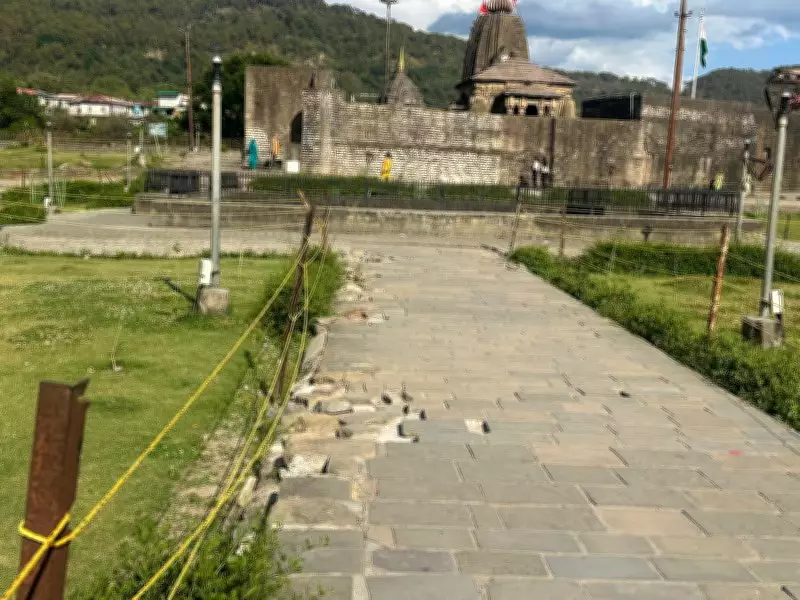
A 13th-century Shiva temple in Palampur, believed to have been constructed in 1278, continues to draw thousands of pilgrims daily, yet its basic facilities remain severely inadequate. Despite receiving substantial donations and offerings, the shrine lacks clean drinking water, proper seating, and hygienic sanitation, prompting devotees to question the management's use of funds.
Poor Sanitation and Hygiene Plague the Temple
Pilgrims frequently complain about the condition of public toilets within the temple complex. According to visitors, the washrooms are rarely cleaned, often emit foul odors, and are unhygienic, causing particular difficulty for women, children, and the elderly. Many devotees express dismay that such conditions persist at a shrine of immense religious significance.
One devotee, speaking on condition of anonymity, said, "We come here seeking peace, but the dirty toilets and lack of basic amenities make the visit stressful. The temple earns crores in donations; why can't they spend on cleanliness?" The temple authorities have not publicly responded to these concerns.

Growing Footfall Exposes Infrastructure Gaps
The temple sees a sharp increase in visitors during weekends, festivals, and auspicious days. However, crowd management measures are minimal, leading to long queues and discomfort. Seating areas for elderly and disabled pilgrims are insufficient, and drinking water facilities are often dry or poorly maintained.
Local residents and religious organizations have urged the temple trust to take immediate corrective steps. They emphasize that preserving a centuries-old structure is not enough; maintaining cleanliness and providing basic amenities are equally vital for upholding the temple's dignity.
Questions Over Transparency in Fund Utilization
The temple receives generous offerings and donations throughout the year, yet little visible improvement has been made to pilgrim facilities. This has led to growing calls for greater transparency in how temple funds are managed. Devotees demand an audit of expenses and a clear plan for upgrading infrastructure.
"If the temple can afford elaborate decorations for festivals, it can surely afford clean toilets and drinking water," said a local shopkeeper near the shrine. "The management must prioritize pilgrim comfort over other expenses."
Call for Model Pilgrimage Destination
Religious groups and residents believe that with proper planning and accountable use of resources, the ancient temple could become a model pilgrimage destination. They suggest installing modern sanitation systems, improving crowd control with digital queuing, and ensuring round-the-clock availability of clean water and seating.
As the temple continues to attract devotees from across India, the pressure on its management to address these issues is mounting. Without urgent action, the neglect of pilgrim welfare may tarnish the shrine's centuries-old legacy.