A routine traffic violation in the national capital has spiraled into a prolonged legal and personal ordeal for a young cab driver, highlighting the stringent consequences of wrong-side driving under Delhi Police's enhanced enforcement. The incident underscores a shift from simple fines to more severe penalties, including vehicle impoundment and mandatory court appearances.
The Costly Mistake at Bhinder Chowk
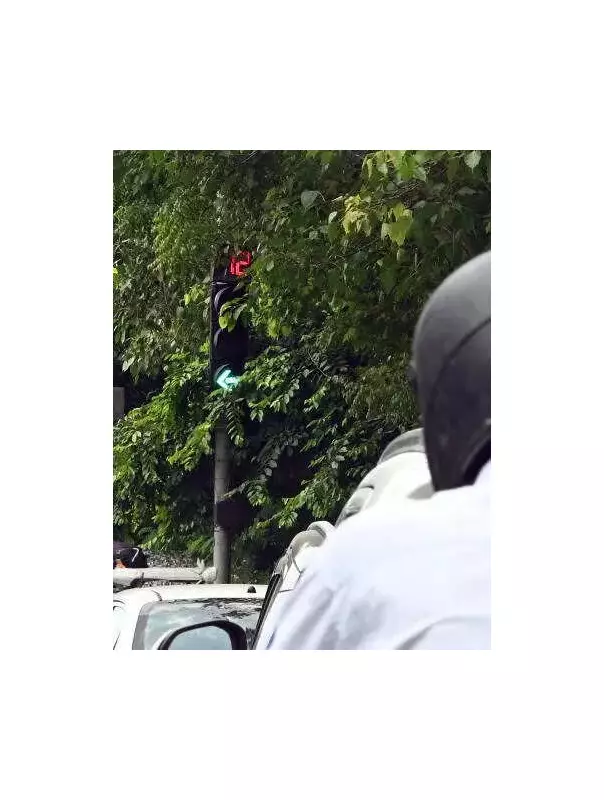
On January 6, around 4 pm, the trajectory of Ashish D Gupta's life took an unexpected turn. A 21-year-old cab driver originally from Rajkot, Gujarat, Gupta was spotted driving a white car with a temporary registration number against the flow of traffic at Bhinder Chowk. A traffic head constable, managing the red light signal between 3 pm and 11 pm, immediately intercepted the vehicle.
Gupta later explained his actions to authorities, citing heavy traffic and a personal urgency. "The passenger was in a hurry," he stated, adding that he had recently moved from Gujarat and was driving a newly purchased cab. He also claimed other vehicles were moving the wrong way, and he merely followed suit. A crucial piece of evidence was secured when a colleague of the intercepting constable recorded the entire incident on a mobile phone.

From FIR to a Tangled Web of Verification
The filing of a First Information Report (FIR) for wrong-side driving set in motion a standard but disruptive procedure. Gupta's cab was seized on the spot. While he possessed a valid driving licence, the vehicle's registration certificate was not available at the time of the incident. This triggered a mandatory verification process for both documents.
The aftermath completely disrupted Gupta's livelihood and routine. To reclaim his vehicle, he was compelled to undertake journeys for official verification. He travelled back to his home state of Gujarat to confirm his driving licence details and then to Haryana, where the car was registered. "Ever since the incident, a lot of time has been wasted," Gupta lamented, summarizing the personal cost of the violation.
Police Clarify Protocol and Scale of the Problem
A senior police officer clarified the legal position, stating that once an FIR is registered, the vehicle is seized and can only be released by a court order. "Until the case is resolved, the owner cannot sell the vehicle," the officer added. However, another officer noted that while an FIR is mandatory if the violation is recorded on video, the decision to physically seize the vehicle rests at the discretion of the authorities on the ground.
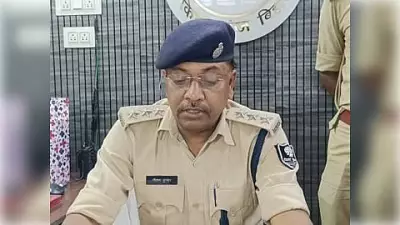
The case is not an isolated one. Additional Commissioner of Police (Traffic) Dinesh Gupta revealed that so far, 35 cases of wrong-side driving have been registered, with offenders required to appear in court. "Earlier, such violations were addressed through challans," he said, marking a significant policy shift. The scale of the problem is vast, with Delhi Police having issued a staggering 3,05,838 challans for wrong-side driving in the previous year alone.
This incident serves as a stark reminder to drivers in Delhi and across India that flouting basic traffic rules like wrong-side driving can lead to far more than a fine. It can trigger a protracted legal battle, result in the loss of one's vehicle, and consume significant personal time and resources, turning a moment's convenience into a months-long hardship.