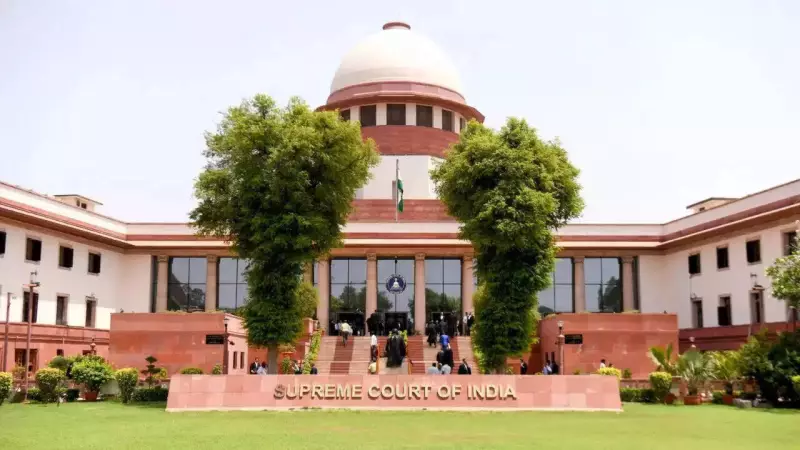
In a case that starkly highlights the complex realities of domestic violence and societal pressure within marriages in India, the Supreme Court has quashed serious criminal charges, including attempt to murder, against a man from Himachal Pradesh. This decision came after his wife, the victim of a brutal assault where she was stabbed in the neck and their child was thrown from the first floor, agreed to reconcile and forgive him.
A Brutal Assault and Initial Legal Action
The disturbing incident occurred in Himachal Pradesh. The husband, in a fit of rage, attacked his wife with a knife, inflicting a wound on her neck. In a further act of violence, he flung their three-year-old son from the first floor of the building, causing serious injuries to the child. Following this, the police filed a chargesheet against the man for grave offences under the Indian Penal Code, including attempt to murder.
The wife, in the aftermath of the attack, had initiated legal proceedings for divorce and sought maintenance, seeking to separate herself and her child from the abusive spouse.
The Turn Towards Reconciliation and Court Battles
Facing the prospect of a long prison term, the husband approached his wife expressing remorse. He persuaded her to settle for a compromise. Subsequently, the wife withdrew her divorce petition. Armed with this reconciliation, the man approached the Himachal Pradesh High Court seeking to quash the criminal charges against him, arguing the couple was now living together peacefully.
The High Court, however, refused his plea, emphasizing the grave and serious nature of the offences he was accused of. Undeterred, the man then appealed to the Supreme Court.
Supreme Court's Conditional Mercy and Stern Warning
Before a bench of Justices Dipankar Datta and S C Sharma, the man's advocate, Sukumar Pattajoshi, pleaded for quashing the charges. He cited the welfare of the young couple, who married in 2020, and stated the compromise was reached through the intervention of elders. The counsel for the state opposed the plea strongly.
The Supreme Court bench acknowledged the severity of the crime but ultimately sided with the couple's wish to reunite. "No doubt it is a grave offence, but the couple’s wishes to stay together and give their married life a fresh chance should be respected. Sending the man to jail would not be in the interest of the family," the bench observed.
The court, however, laid down strict conditions:
- The man had to submit a written undertaking promising to take good care of his wife and child.
- He pledged not to do anything detrimental to their safety and interests.
- Advocate Pattajoshi confirmed he only agreed to represent the man after he gave this undertaking.
The bench issued a dire warning to the husband, who was present in court: "If you do anything to the wife and child, you will be sent to jail straight away. Since Supreme Court will be sending you to jail, no court in the country will grant you bail."
Quashing the charges based on these "peculiar facts and circumstances," the Supreme Court accepted the written undertaking. It added a caveat that the man would face drastic consequences for any breach of his promise, effectively placing the safety of the wife and child above the legal compromise in the future.