Venezuela Increases Deportation Flights Amid US Diplomatic Pressure
In a significant development in US-Venezuela relations, the Venezuelan government has agreed to accept more deportees from the United States, responding to sustained diplomatic pressure from Washington. This decision marks a notable shift in Venezuela's migration policy and highlights the complex dynamics of international migration management.
Expansion of Deportation Flights
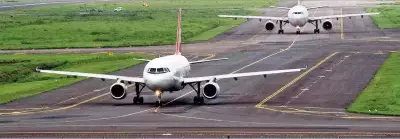
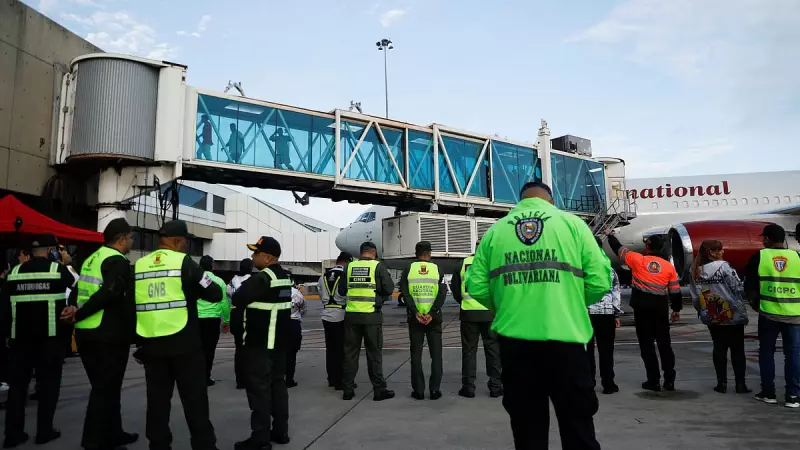
According to a senior US official familiar with the negotiations, Venezuela previously permitted up to two deportation flights per week from the United States. Under the new agreement, this number is expected to increase to three weekly flights. Two additional US officials have confirmed the expansion of deportation operations, though they did not provide specific numerical details regarding the exact increase.
The escalation from two to three flights per week represents a substantial 50% increase in deportation capacity, potentially affecting hundreds of Venezuelan nationals residing in the United States without proper documentation. This adjustment comes amid broader efforts by the US administration to address migration challenges through bilateral agreements.
Context of Diplomatic Pressure
The agreement follows months of diplomatic engagement between US and Venezuelan authorities, where migration issues have been a central point of discussion. The United States has been actively seeking cooperation from countries of origin to manage the flow of migrants and ensure the orderly return of individuals who do not qualify for asylum or other forms of protection.
This development underscores the leverage that economic and diplomatic pressure can exert in international migration negotiations. For Venezuela, agreeing to accept more deportees may be part of broader strategic considerations, including potential economic or political concessions from the United States.
Implications for Migration Policy
The increase in deportation flights has several important implications:
- Enhanced Enforcement: With more frequent flights, US immigration authorities can accelerate the removal process for Venezuelan nationals, potentially deterring irregular migration.
- Humanitarian Concerns: Advocacy groups may raise questions about the conditions and due process for deportees, particularly given Venezuela's ongoing political and economic challenges.
- Bilateral Relations: This agreement could signal a thaw in US-Venezuela relations or represent a transactional approach to specific policy areas while broader tensions persist.
Migration experts note that while increased deportation flights may address immediate enforcement priorities, they do not necessarily resolve the root causes of migration from Venezuela, which include economic instability, political unrest, and humanitarian crises.
Regional and Global Context
Venezuela's agreement to accept more deportees occurs within a broader regional migration pattern. The country has experienced significant outward migration in recent years, with millions of Venezuelans seeking refuge in neighboring countries and beyond. The United States has seen a notable increase in Venezuelan arrivals, prompting policy responses like this deportation agreement.
The timing of this announcement, as reported by the International New York Times on January 24, 2026, suggests ongoing negotiations that may have additional undisclosed components. Observers will be watching to see if this agreement leads to further cooperation on migration or other diplomatic fronts between the two nations.
As migration continues to be a pressing global issue, agreements like this one between the United States and Venezuela demonstrate how destination and origin countries are navigating complex legal, humanitarian, and diplomatic landscapes to manage population movements.