Uttar Pradesh Information Commission Clarifies RTI Act Limitations
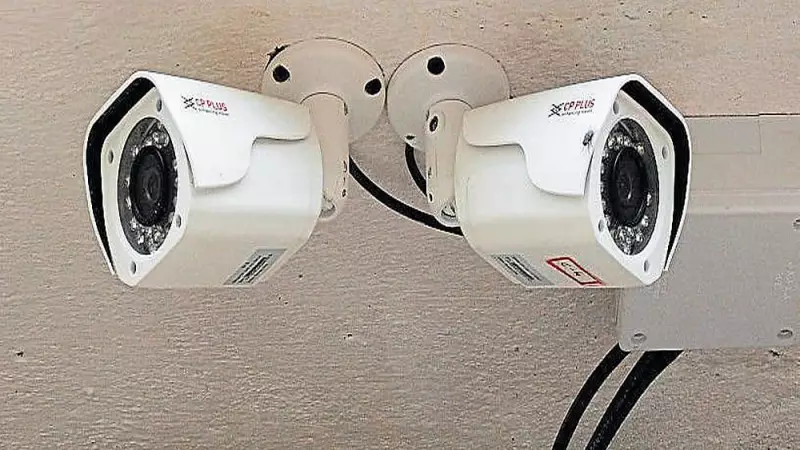
The Uttar Pradesh Information Commission has delivered a significant ruling, emphasizing that the Right to Information (RTI) Act cannot serve as a substitute for formal investigations or judicial trials. This decision came during a hearing where a bench, led by State Information Commissioner Mohammad Nadeem, addressed a plea under the RTI Act seeking access to CCTV footage from a hospital located in the Bijnor district.
Bench Rejects CCTV Footage Request Under RTI
In a detailed hearing, the bench carefully considered the application for CCTV footage, which was filed under the provisions of the RTI Act. The commission underscored that while the RTI Act is a powerful tool for transparency and accountability, it has inherent limitations. Specifically, it cannot bypass or replace the established legal processes required for criminal investigations or court proceedings.
The ruling highlights a crucial distinction in legal frameworks: the RTI Act is designed to promote openness by allowing citizens to request information from public authorities, but it does not grant authority to conduct probes or adjudicate cases. This clarification aims to prevent misuse of the act for purposes beyond its intended scope, such as gathering evidence for personal or legal disputes without proper judicial oversight.
Implications for Future RTI Applications
This decision sets a precedent for how similar requests might be handled in Uttar Pradesh and potentially across India. It reinforces the principle that the RTI Act should be used responsibly, without encroaching on the domains of law enforcement agencies or the judiciary. By turning down the CCTV footage request, the commission has signaled that such materials, often critical in investigations, must be accessed through appropriate legal channels rather than RTI applications.
The ruling also serves as a reminder to citizens and activists about the boundaries of the RTI Act. While it remains a vital instrument for holding public institutions accountable, its application must align with legal procedures to ensure fairness and justice. This case, involving a hospital in Bijnor district, illustrates how the commission is balancing transparency with the need to uphold the integrity of investigative and trial processes.
As this news emerges, it underscores ongoing discussions about the role of RTI in India's governance landscape, particularly in states like Uttar Pradesh where transparency initiatives are closely watched. The commission's stance may influence future interpretations of the act, guiding both applicants and authorities in navigating complex information requests.