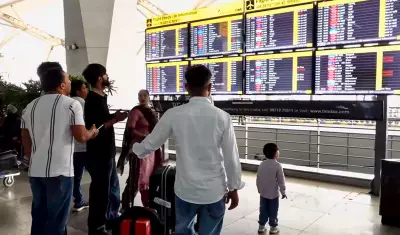
UAE Steps In to Support Stranded Travelers Amid Aviation Crisis
In a significant response to widespread flight disruptions triggered by the escalating Iran–US–Israel war, the United Arab Emirates has launched emergency aviation support measures. The General Civil Aviation Authority (GCAA) announced that the UAE will cover all accommodation, meal, and rebooking expenses for passengers stranded due to rescheduled or cancelled flights across the country's airports.
Comprehensive Support for Affected Passengers
As flights were delayed or cancelled at major hubs such as Dubai International Airport (DXB), Abu Dhabi’s Zayed International Airport (AUH), and Sharjah International Airport, the UAE government intervened to alleviate traveler burdens. The emergency plan includes:
- Full coverage of hosting and accommodation costs for stranded travelers.
- Arrangements for temporary hotel stays, meals, and refreshments for those unable to depart.
- Facilitation of rebooking procedures and regulatory formalities by national carriers and airport authorities.
- Accommodation and transport assistance for transit passengers to ensure their safety and well-being.
The GCAA estimates that approximately 20,200 passengers have been impacted by flight rescheduling so far, underscoring the scale of the disruption and the extensive nature of the government's support program.
Causes of the Flight Disruptions
The aviation chaos stems from heightened tensions following joint US and Israeli military operations inside Iran and subsequent Iranian retaliatory actions. This has led several nations, including Gulf states, to temporarily restrict or close parts of their airspace as a precautionary safety measure. Consequently, airlines have been forced to cancel or postpone flights.
Major UAE carriers like Emirates, Etihad Airways, flydubai, and Air Arabia have announced temporary suspensions or extensions of halted flights. International airlines, including Lufthansa, have avoided UAE airspace entirely for several days. The airspace limitations have caused global repercussions, with airports worldwide reporting thousands of cancellations and leaving transit travelers stranded amid uncertainty.
On-Ground Assistance and Coordination
Authorities are actively arranging support at airport terminals and partner hotels to minimize discomfort for affected passengers. Key efforts include:
- Organizing temporary accommodation near airport hubs for those unable to leave due to cancellations.
- Providing access to meals, beverages, and refreshment services while passengers await rebooked flights or updates.
- Maintaining active coordination between airports and national carriers to monitor the situation and resume normal operations as conditions permit.
In Abu Dhabi, tourism authorities have urged hotels to extend stays for guests unable to travel, with the state covering these additional nights to relieve financial pressure on stranded visitors.
Practical Advice for Stranded Passengers
For travelers currently stuck in the UAE due to flight cancellations, experts recommend the following steps:
- Contact your airline directly for the latest information on rebooking or refund options, as many carriers have implemented flexible rescheduling policies.
- Stay updated via official airport or airline apps and websites, as schedules may change rapidly amid the evolving situation.
- Retain receipts for meals and accommodation if you have paid out of pocket, as reimbursement may be available under emergency travel plans.
Authorities in Abu Dhabi have also instructed hotels to prioritize and extend stays for stranded guests, ensuring no additional costs are incurred during this period.
Implications of the UAE's Intervention
The UAE's decision to absorb accommodation and sustenance costs for affected passengers represents a rare large-scale state intervention in aviation support. This move highlights the gravity of the current crisis and aims to protect travelers from undue hardship, maintain international confidence in the UAE's aviation and tourism sectors, and ensure orderly and humane passenger management while airspace remains restricted.
By implementing such measures, the UAE reinforces its reputation as a global travel hub that prioritizes not only operational safety but also passenger welfare during extraordinary circumstances.