Trump Announces 25% Tariffs on Countries Trading with Iran
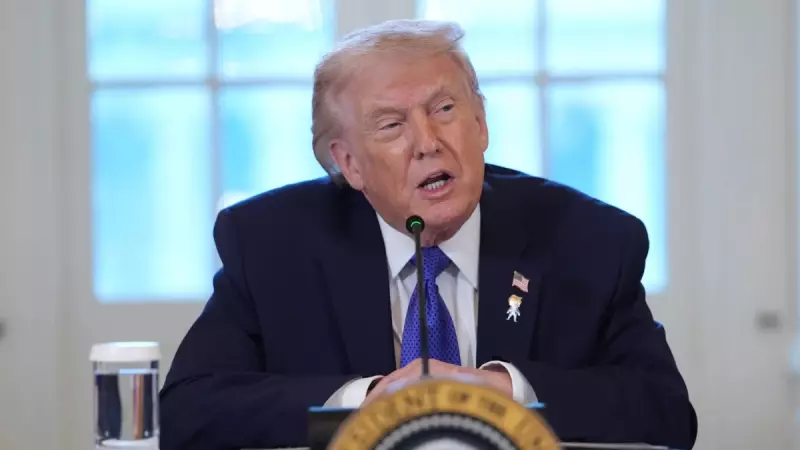
Former US President Donald Trump has made a bold move in international trade policy. He announced new tariffs of 25 percent on countries that conduct business with Iran. This decision aims to increase pressure on Tehran. The announcement came on January 13, 2026, marking a significant escalation in global economic tensions.
Targeting Major Global Players
The tariffs specifically target nations with substantial trade ties to Iran. Key countries affected include India, China, and Russia. These nations have maintained economic relationships with Iran despite previous sanctions. Trump's policy directly challenges their trade activities.
India, for instance, imports significant amounts of oil from Iran. China engages in various commercial exchanges with Tehran. Russia has both energy and defense partnerships with Iran. The new tariffs could disrupt these established trade flows.

Pressure on Tehran Intensifies
The primary goal of these tariffs is to isolate Iran economically. By penalizing its trading partners, Trump hopes to force Tehran into compliance with US demands. This strategy represents a hardline approach to foreign policy.
Iran has faced multiple rounds of sanctions over the years. However, this new measure expands the pressure to third-party countries. It creates a complex web of economic consequences for nations that choose to engage with Iran.
Global Reactions and Implications
International reactions are expected to be strong. Countries like India and China may consider retaliatory measures. The global trade landscape could see increased volatility as a result.
For India, this poses a particular challenge. The country must balance its energy needs with diplomatic relations. Finding alternative oil suppliers might become a priority. Trade experts are already analyzing potential impacts on the Indian economy.
China faces similar dilemmas. Its extensive trade network with Iran includes various sectors. Adjusting to these new tariffs will require careful economic planning.
Looking Ahead
The announcement sets the stage for potential trade disputes. Nations targeted by the tariffs must now evaluate their options. Some may seek exemptions or negotiate with the US administration.
Others might choose to absorb the costs or reduce trade with Iran. The coming months will reveal how effectively these tariffs pressure Tehran. Global markets are watching closely for any signs of escalation or resolution.
This development underscores the interconnected nature of modern international trade. Decisions made in one capital can ripple across continents. Businesses and governments worldwide must adapt to this new reality.