Transgender Rights Bill Ignites Debate Over Government Authority in Gender Determination
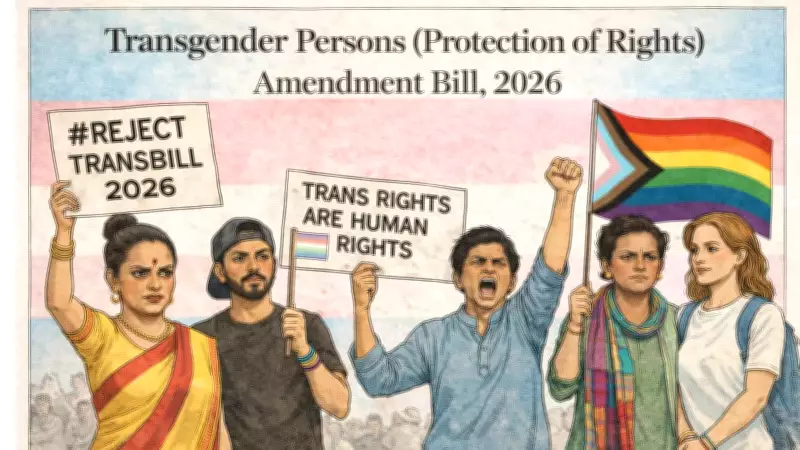
The proposed Transgender Rights Bill has become a lightning rod for controversy, with critics arguing it grants excessive power to government officials in determining an individual's gender identity. This legislation, intended to protect transgender rights, is now under fire for provisions that many say infringe on personal autonomy and privacy.
Personal Stories Highlight Real-World Impact
Patruni Sastry, a non-binary individual married to a cisgender woman and raising a child together, voices the concerns of many in the LGBTQ+ community. "My life mirrors countless other families across India," Sastry explains. "I work diligently, care for my loved ones, and strive to create a secure future for my child. Yet, I'm confronted with a profoundly disturbing question: Why does the government feel entitled to scrutinize what's inside my pants?"
Sastry's experience underscores the bill's potential to affect real people navigating daily life while facing institutional scrutiny over their gender identity. The legislation's framework raises fundamental questions about who holds the authority to define gender—the individual living that reality or government-appointed officials.
Key Provisions Drawing Criticism
The bill's most contentious aspect involves establishing district-level committees empowered to issue gender identity certificates. Critics argue this process:
- Requires intrusive medical and psychological evaluations
- Places decision-making power in the hands of bureaucrats rather than individuals
- Creates unnecessary barriers to legal recognition of gender identity
- Potentially violates privacy rights protected under Indian law
Advocates for transgender rights emphasize that gender identity represents a deeply personal aspect of human existence that shouldn't require government validation. They point to international best practices where self-identification serves as the standard for legal gender recognition.
Broader Implications for LGBTQ+ Rights in India
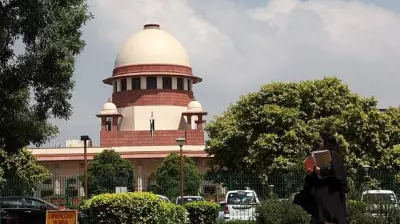
This controversy emerges against the backdrop of India's evolving legal landscape regarding gender and sexuality. The Supreme Court's 2014 NALSA judgment recognized transgender people as a third gender and affirmed their right to self-identification. Many activists argue the new bill represents a step backward from these progressive rulings.
The debate extends beyond legal technicalities to touch on fundamental questions of bodily autonomy, human dignity, and the appropriate limits of government authority in personal matters. As discussions continue in Parliament and public forums, the outcome will significantly impact how India balances regulatory frameworks with individual rights in matters of gender identity.
With the bill still under consideration, stakeholders across the political spectrum, legal community, and civil society organizations continue to debate its provisions. The final legislation will likely reflect complex negotiations between protecting vulnerable communities and establishing practical implementation mechanisms, all while respecting the constitutional rights of all citizens.