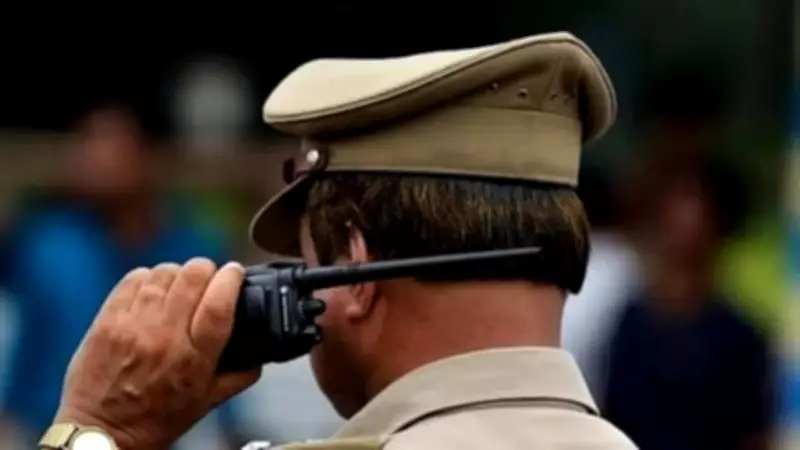
Senior Maoist Commander Devji Surrenders to Telangana Police in Landmark Move
In a significant development for law enforcement in Telangana, top Maoist leader Devji has formally surrendered before the state police, as confirmed by official reports. This event marks a pivotal moment in the ongoing efforts to curb left-wing extremism in the region, potentially signaling a shift in the dynamics of the decades-long insurgency.
Details of the Surrender and Its Implications
The surrender of Devji, a key figure in the Maoist hierarchy, is seen as a major victory for the Telangana police. According to sources, he turned himself in voluntarily, citing disillusionment with the extremist ideology and a desire to reintegrate into mainstream society. This move is expected to deal a severe blow to the operational capabilities of Maoist groups in the area, as Devji possessed extensive knowledge of their strategies and networks.
Background and Context of the Maoist Movement

Maoist insurgency has been a persistent challenge in several Indian states, including Telangana, with roots tracing back to the Naxalite movement of the 1960s. These groups have often operated in remote, forested regions, engaging in armed conflict with security forces and advocating for radical socio-economic change. The surrender of a high-ranking leader like Devji could inspire other members to follow suit, potentially accelerating the decline of such extremist activities.
Police Response and Future Steps
Telangana police officials have welcomed Devji's surrender, emphasizing it as a result of sustained counter-insurgency operations and community outreach programs. They have assured that he will be provided with rehabilitation support under government schemes designed for surrendered extremists. This includes financial assistance, vocational training, and legal aid to facilitate his transition to a peaceful life.
Potential Impact on Security and Governance
Analysts suggest that Devji's surrender could lead to improved security in affected regions, reducing incidents of violence and allowing for better implementation of development projects. It may also bolster public confidence in law enforcement agencies and encourage greater cooperation from local communities in combating extremism.
Key points to note:
- Devji was a senior leader in the Maoist organization, involved in planning and executing various activities.
- His surrender is voluntary, motivated by personal reasons and a shift in perspective.
- Telangana police have been actively pursuing surrender policies as part of their anti-Maoist strategy.
- This event could set a precedent for other insurgents to consider peaceful resolutions.
In conclusion, the surrender of Maoist leader Devji represents a critical juncture in Telangana's fight against extremism. It underscores the effectiveness of combined efforts involving security measures and socio-economic initiatives. As authorities monitor the aftermath, this development is likely to influence broader counter-insurgency policies across India, promoting stability and progress in conflict-ridden areas.