Thrissur Fireworks Unit Explosion: Investigation Focuses on Safety Failures
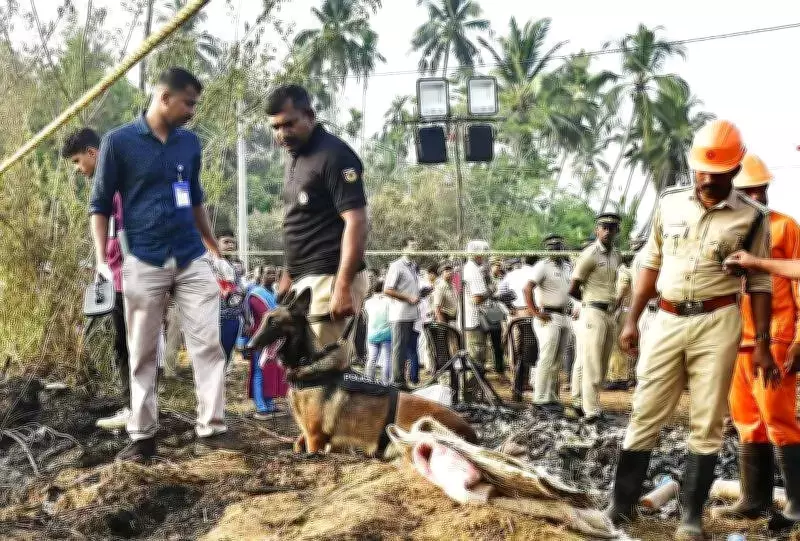
The precise cause of the devastating explosion at a fireworks manufacturing unit in Mundathicode, Thrissur district, remained shrouded in mystery on Wednesday evening, more than 24 hours after the tragic incident occurred. Forensic science experts meticulously collected crucial samples from the accident site, located approximately 18 kilometers from Thrissur city, with laboratory test results anticipated to provide answers within the next seven days.
Multiple Theories Emerge as Authorities Scramble for Answers
Simultaneously, the electric inspectorate conducted thorough inspections to determine whether an electrical short circuit might have triggered the blast. Expert opinions on the potential causes have diverged significantly. One section of specialists suggests that the prevailing intense heat wave conditions, coupled with exceptionally high humidity levels, could have played a contributory role in the accident.
However, other experts have countered this theory, pointing out that the chemical compositions used for fireworks production in Kerala are fundamentally identical to those employed in other Indian states where ambient temperatures are consistently higher. This discrepancy has led investigators to scrutinize other plausible factors.

Systemic Safety Lapses and Regulatory Failures Under Microscope
Emerging expert analysis strongly indicates that potential lapses in adhering to mandated safety protocols, combined with the possible stocking of excessive quantities of explosives beyond permitted limits, may have significantly contributed to the catastrophe. A critical failure highlighted is the authorities' inability to gather accurate data regarding the number of individuals present inside the unit at the exact moment of the explosion.
This data gap is being cited as a stark indicator of a broader lack of rigor in ensuring strict compliance with safety norms within the hazardous industry. The common practice of individuals entering the manufacturing unit without signing any formal entry registry—unlike the stringent procedures followed in government offices—further underscores a dangerous lack of awareness regarding the inherently perilous nature of fireworks production.
Expert Analysis Points to Specific Hazard Mechanisms
Renowned explosives expert R. Venugopal, former joint chief controller of explosives with the Petroleum & Explosives Safety Organization (PESO), provided a detailed technical perspective. "While it is premature to arrive at a conclusive view, one plausible mechanism involves the introduction of grit or hard foreign particles into the gunpowder composition," Venugopal stated.
"The generation of frictional heat during subsequent stemming or ramming operations could then initiate an explosion. The entry of non-essential visitors could act as a conduit for introducing such hazardous foreign particles, like stones, into the unit premises. Furthermore, considering the intensity of the blast, the possibilities of the use of banned chemicals, such as potassium chlorate, cannot be ruled out," he elaborated.
Licensing Discrepancies and Growing Calls for a Ban
Official sources revealed that two major temple devaswoms, Thiruvambady and Paramekkavu, have each been granted licenses to stock up to 2,000 kilograms of fireworks for their main display events. However, it is widely acknowledged within the industry that actual quantities used often far exceed these licensed limits.
In the wake of the tragedy, a growing public demand is gaining momentum, advocating for the complete abandonment of fireworks displays associated with various festivals across Kerala, citing the unacceptably high risks involved. Justice P. S. Gopinathan, who led the probe into the 2016 Puttingal Devi Temple fireworks tragedy that claimed approximately 100 lives, emphasized this point.
"Fireworks displays are not an integral part of religious practices; they are elements of celebration with significant commercial dimensions," Justice Gopinathan asserted. He noted that the Mundathicode incident might have been preventable if the recommendations from his Puttingal tragedy probe report had been implemented effectively by the authorities.

Civil Society Mobilizes for Change
Reflecting this public sentiment, a group of cultural activists launched a peaceful dharna (sit-in protest) in Thrissur on Wednesday, vocally demanding an immediate and comprehensive ban on both the production and public display of fireworks in the state. The community's call for action underscores the urgent need for a fundamental reassessment of safety regulations and cultural practices surrounding pyrotechnics in Kerala.