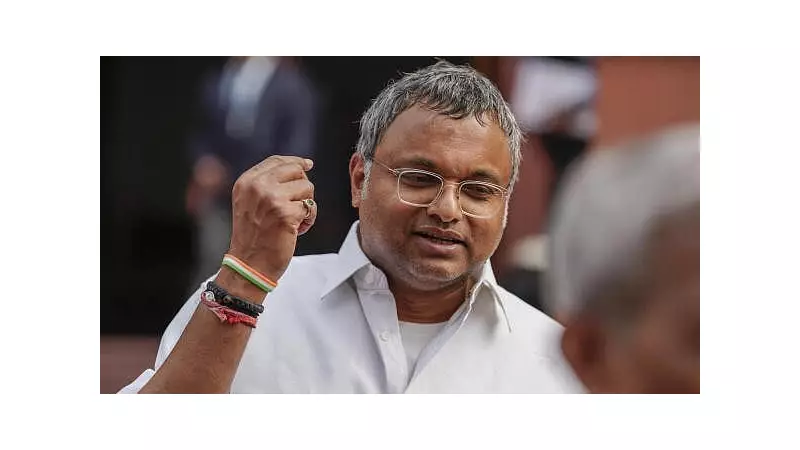
In a significant development in the ongoing Chinese visa case, a Delhi High Court judge has recused themselves from hearing the plea filed by Karti Chidambaram, marking the third such recusal in this high-profile legal matter.
Third Judge Steps Away from Controversial Case
The latest recusal follows similar actions by two other Delhi High Court judges earlier in the proceedings. Justice Swarana Kanta Sharma and Justice Anup J Bhambhani had previously recused themselves from hearing the case, creating a pattern of judicial withdrawal that has drawn attention to the sensitive nature of the proceedings.
Background of the Chinese Visa Case
The case centers around allegations related to Chinese visa approvals and involves Karti Chidambaram, son of senior Congress leader and former Union Minister P Chidambaram. The legal proceedings have been closely watched due to their political implications and the high-profile nature of the individuals involved.
The repeated recusals by multiple judges highlight the complex legal and procedural challenges surrounding this case. When judges recuse themselves, it typically indicates potential conflicts of interest, prior involvement in related matters, or other circumstances that might affect their impartiality in hearing the case.
Impact on Judicial Proceedings
This development means the case will now need to be reassigned to another bench, potentially causing further delays in the legal process. The Delhi High Court administration will need to identify a suitable judge who has no conflicts with the parties or subject matter involved.
Legal experts note that while judge recusals are not uncommon in sensitive cases, having three consecutive recusals in a single matter is relatively unusual and underscores the delicate balancing act required in politically charged legal proceedings.
What Happens Next?
The case will now return to the court's assignment system for allocation to a new bench. The registry of the Delhi High Court will need to carefully consider the judicial roster to identify an appropriate judge who can hear the matter without any perceived or actual conflicts.
This development comes at a time when the Indian judiciary is increasingly dealing with cases that intersect with political figures and international relations, particularly concerning China. The Chinese visa case has been a subject of national interest since its inception, and these judicial recusals add another layer of complexity to an already intricate legal battle.
The timing of this latest recusal, coming after two previous ones, suggests that finding a suitable judge for this politically sensitive matter may present ongoing challenges for the Delhi High Court administration as they work to ensure both the appearance and reality of impartial justice in this high-stakes case.