







Politics

Lt Gen PJS Pannu Explains Complexities of India's Theatre Command Military Reforms
Lt Gen PJS Pannu provides insights into India's military reforms, explaining why transitioning to theatre commands involves deep structural challenges beyond jointness.




World

Trump Defends Strikes on Iran, Calls Foes 'Animals' Amid Ceasefire Proposal
Donald Trump stated that targeting Iranian infrastructure does not constitute war crimes, labeling adversaries as 'animals,' while also noting a U.S.-studied 45-day ceasefire proposal in the Iran conflict.



Entertainment

Shah Rukh Khan and Daughter Suhana Cheer for KKR at Rain-Hit IPL Match
Shah Rukh Khan and daughter Suhana Khan attended the KKR vs PBKS IPL match at Eden Gardens, creating a buzz with their stylish appearances and fan interactions amid rain delays.



Business
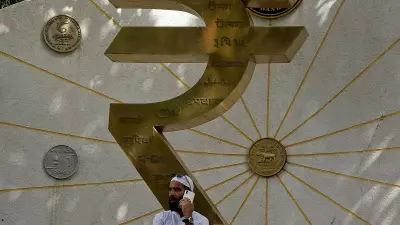
Indian Rupee Gains 28 Paise, Closes at 92.90 Against US Dollar
The Indian rupee appreciated by 28 paise to settle at 92.90 against the US dollar, supported by RBI measures. However, forex traders warn that foreign capital outflows, a strong dollar, and high crude oil prices amid geopolitical volatility continue to pr





Lifestyle





Technology
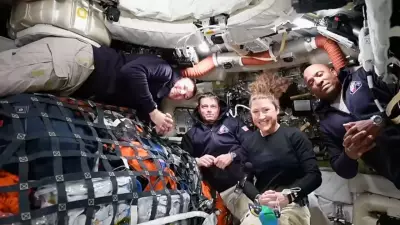
Artemis 2 Astronauts Complete Historic Moon Flyby Mission
NASA's Artemis 2 astronauts successfully completed a historic moon flyby, becoming the first humans to visit lunar orbit since Apollo 17 in 1972. The crew observed rare lunar features and witnessed a solar eclipse from beyond the moon.

Bengaluru Man Loses Rs 50,000 in ATM Scam for Mother's Treatment
A 26-year-old man in Bengaluru was cheated of Rs 50,000 by a stranger at an ATM who used a fake transaction screenshot to steal money meant for his mother's medical treatment.

Fortnite v40.20 Update: Release Date and Features
Fortnite v40.20 update launches on April 16, 2026, with balance adjustments, new cosmetics, and narrative developments for Chapter 7 Season 2: Showdown.

Xiaomi Fan Festival 2026: Deals, Redmi Note 15 SE, MiniLED TVs
Xiaomi announces Fan Festival 2026 with discounts on smartphones, TVs, and devices, launches Redmi Note 15 Special Edition, and enters MiniLED TV segment in India.

Genshin Impact 6.5: Linnea Release Date & Timings
Genshin Impact's Version 6.5, Luna VI, launches on April 8, 2026, introducing the new 5-star Geo character Linnea. Here are the release timings for all major regions worldwide.
