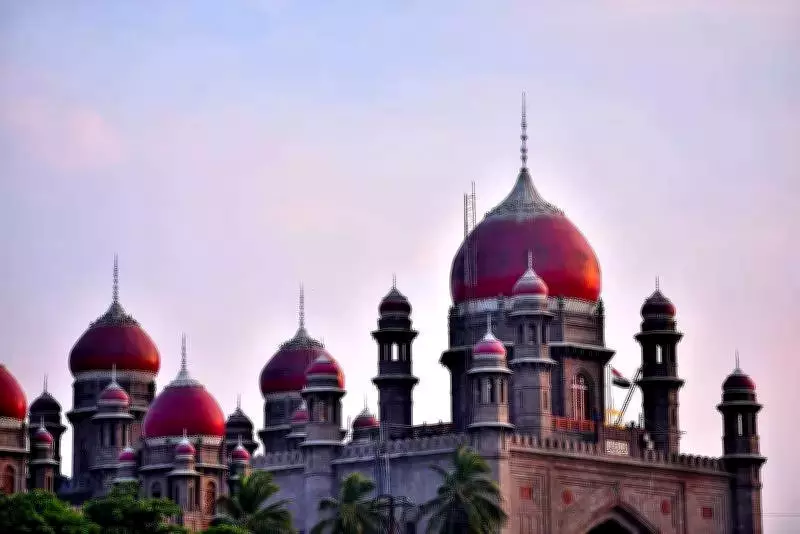
Telangana High Court Overturns Parking Fee Ban for Standalone Cinemas
In a significant legal development, the Telangana High Court has set aside a previous order that restrained standalone cinema theatres within the Greater Hyderabad Municipal Corporation (GHMC) and other municipal areas from collecting parking fees from moviegoers who present valid tickets. The ruling provides much-needed clarity on a contentious issue affecting the cinema industry in the state.
Division Bench Clarifies Scope of Interim Order
A division bench comprising Chief Justice Aparesh Kumar Singh and Justice GM Mohiuddin issued these directions while hearing an appeal filed by several standalone theatres, including prominent names like Sudarshan 35 MM and RR Cine Enterprises. The bench explicitly clarified that the interim order issued by a single judge on March 6, 2024, would apply only to Asian Konark theatre, where the original petitioner had alleged improper collection of parking charges despite producing a movie ticket.
The bench observed that while the writ petitioner had named only one theatre as a respondent, the single judge's order had operated in rem, affecting a broader issue beyond the specific case. This judicial nuance prompted the division bench to narrow the application of the restraining order to ensure fairness and procedural correctness.

Background of the Legal Dispute
The case originates from a challenge to a Government Order (GO) issued in 2021, which permitted standalone cinema theatres to collect parking fees from individuals parking vehicles on their premises. The government justified this decision by citing practical concerns: non-cinema-goers were also using these parking spaces, leading to maintenance and safety issues that required financial resources to address.
However, the single judge had suspended this 2021 GO, referencing an earlier 2018 GO that clarified commercial establishments, malls, multiplexes, and theatres should not collect parking fees, subject to conditions related to the purpose and duration of the visit. This created a legal conflict that the division bench has now sought to resolve through its latest ruling.
Implications for Theatres and Future Proceedings
The division bench has provided a pathway for other affected theatres to participate in the ongoing legal process. It stated that the appellant theatres and other similarly situated cinemas may implead themselves in the pending writ petition to present their contentions before the court. This ensures that all stakeholders have an opportunity to voice their perspectives and seek judicial redressal.
This ruling is expected to have substantial implications for the operational viability of standalone theatres in Hyderabad and across Telangana. Parking fee collection is often a critical revenue stream for these establishments, helping offset costs associated with property maintenance, security, and infrastructure upkeep.
Broader Context and Industry Impact
The legal battle highlights the ongoing tensions between consumer rights and business necessities in the entertainment sector. While patrons may view parking fees as an additional burden, theatre owners argue that such charges are essential for managing shared spaces effectively and ensuring a safe, well-maintained environment for all visitors.
As the case continues to unfold, it will be closely watched by industry stakeholders, legal experts, and consumers alike. The final outcome could set a precedent for how similar disputes are handled in other states, influencing policies on parking management at commercial venues nationwide.