Sri Lanka Navy Executes Critical Rescue of 30 Sailors from Iranian Naval Vessel
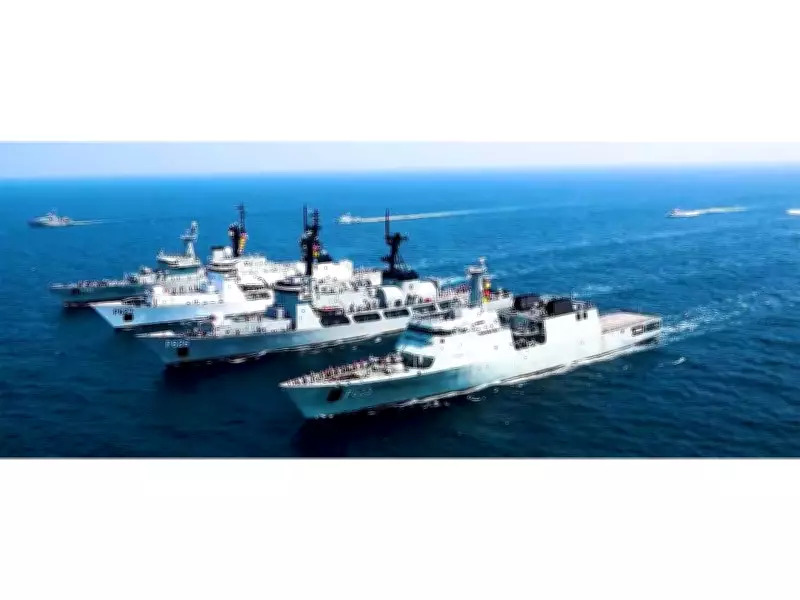
In a significant maritime operation, the Sri Lanka Navy successfully rescued 30 sailors from the Iranian naval ship IRIS Dena, which encountered distress in the Indian Ocean. This incident underscores the vital role of naval forces in ensuring safety and security in international waters, particularly in regions prone to challenging sea conditions.
Details of the Rescue Operation
The rescue mission was launched after the IRIS Dena, an Iranian naval vessel, reported facing operational difficulties while navigating the Indian Ocean. The Sri Lanka Navy, upon receiving the distress signal, immediately mobilized its resources to assist the stranded ship. The operation involved deploying advanced naval assets and skilled personnel to locate and secure the vessel amidst potentially hazardous maritime conditions.
Key aspects of the operation include:
- The swift response time of the Sri Lanka Navy, which minimized risks to the sailors' safety.
- The use of specialized equipment and techniques to board and stabilize the IRIS Dena.
- Coordination with regional maritime authorities to ensure a seamless rescue process.
Implications for Regional Maritime Cooperation
This rescue highlights the importance of international collaboration in maritime safety. The Indian Ocean is a crucial shipping route, and incidents like this emphasize the need for robust naval capabilities and cooperative agreements among neighboring countries. The successful operation by the Sri Lanka Navy not only saved lives but also reinforced trust in regional security frameworks.
Experts note that such rescues are becoming increasingly common due to factors like aging naval fleets and unpredictable weather patterns, calling for enhanced preparedness and joint exercises.
Background on the IRIS Dena and Iranian Naval Presence
The IRIS Dena is part of Iran's naval fleet, which operates in various international waters to support the country's strategic interests. Iranian naval ships often engage in patrols and missions in the Indian Ocean, contributing to regional maritime dynamics. This incident serves as a reminder of the operational challenges faced by naval forces worldwide, including mechanical failures and environmental hazards.
In recent years, there has been a growing focus on improving naval safety protocols and rescue mechanisms, with countries like Sri Lanka playing a pivotal role in such efforts. The rescue of the 30 sailors from the IRIS Dena is a testament to the effectiveness of these initiatives.
Conclusion and Future Outlook
The successful rescue by the Sri Lanka Navy demonstrates the critical importance of maritime safety and the value of prompt, coordinated responses. As global shipping and naval activities continue to expand, such operations are likely to become more frequent, necessitating ongoing investments in naval infrastructure and international partnerships.
This event also sheds light on the broader context of naval diplomacy and humanitarian efforts in the Indian Ocean region, where countries work together to address common challenges and protect lives at sea.