Sri Lanka Grants Docking Permission to Second Iranian Vessel at Trincomalee Port
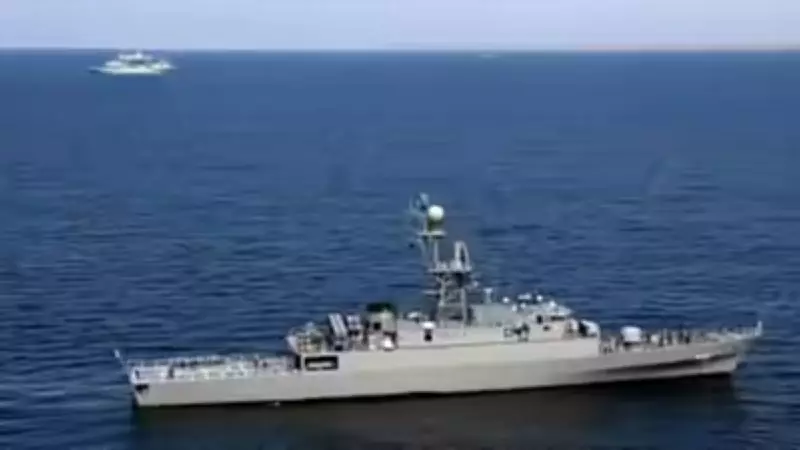
In a significant maritime development, Sri Lanka has authorized a second Iranian ship to dock at its strategic Trincomalee port. This decision comes amidst a complex geopolitical backdrop involving international sanctions against Iran. The vessel, which arrived under careful scrutiny, was permitted to berth following diplomatic and security assessments by Sri Lankan authorities.
Complete Evacuation of 208 Personnel Executed Smoothly
According to official statements from the Sri Lankan President's office, the ship carried a total of 208 personnel on board. This contingent was meticulously composed of 53 officers, 84 cadets, 48 senior sailors, and 23 seamen. Upon docking, a coordinated evacuation operation was swiftly implemented, ensuring all individuals were safely disembarked without incident. The evacuation process highlights Sri Lanka's operational readiness and adherence to maritime safety protocols.
Breakdown of Evacuated Crew Members
The personnel evacuated from the Iranian vessel represent a diverse mix of naval ranks and roles, underscoring the ship's operational nature. The breakdown is as follows:
- Officers: 53 individuals holding command and supervisory positions.
- Cadets: 84 trainees undergoing naval education and practical experience.
- Senior Sailors: 48 experienced personnel with advanced maritime skills.
- Seamen: 23 crew members responsible for general shipboard duties.
This evacuation marks a critical step in managing the vessel's presence in Sri Lankan waters, with all personnel now accounted for and processed according to international maritime standards.
Geopolitical Context and Sri Lanka's Diplomatic Stance
Sri Lanka's decision to allow the docking of a second Iranian ship occurs against a backdrop of stringent global sanctions targeting Iran. The move reflects Colombo's balanced approach to international relations, navigating between compliance with international norms and maintaining bilateral ties. Trincomalee port, a deep-water harbor of strategic importance in the Indian Ocean, has historically been a focal point for regional maritime activities, making this event particularly noteworthy.
Authorities have emphasized that the docking and evacuation were conducted with full transparency and in coordination with relevant international bodies. This incident follows previous similar permissions granted to Iranian vessels, indicating a consistent policy framework by Sri Lanka in handling such sensitive maritime arrivals.
Operational and Security Implications
The successful evacuation of 208 personnel demonstrates Sri Lanka's capability to manage complex maritime operations efficiently. Security measures were reportedly heightened during the docking process to ensure no breaches occurred, with local and naval forces on alert. The event also raises questions about the future of such dockings, as Sri Lanka continues to assert its sovereignty while engaging with global diplomatic pressures.
Experts suggest that this development could influence regional maritime dynamics, particularly in how neighboring countries and international allies perceive Sri Lanka's port management policies. The focus remains on ensuring that such operations do not contravene international sanctions, with ongoing monitoring likely to be intensified.
As of the latest updates, all evacuated personnel are under appropriate care, and further details on their status or the ship's cargo have not been disclosed publicly. The Sri Lankan government has reiterated its commitment to peaceful maritime conduct and adherence to global regulations, positioning this event as a routine port management exercise rather than a political statement.