

Spain's Railway System Faces Safety Crisis After Multiple Tragic Crashes
A devastating series of train accidents has shaken Spain this week, claiming lives and raising urgent questions about the safety of the nation's extensive railway network. The tragedies have prompted investigations, union warnings, and public concern about infrastructure reliability across both high-speed and commuter lines.
Deadly High-Speed Derailment Claims 43 Lives
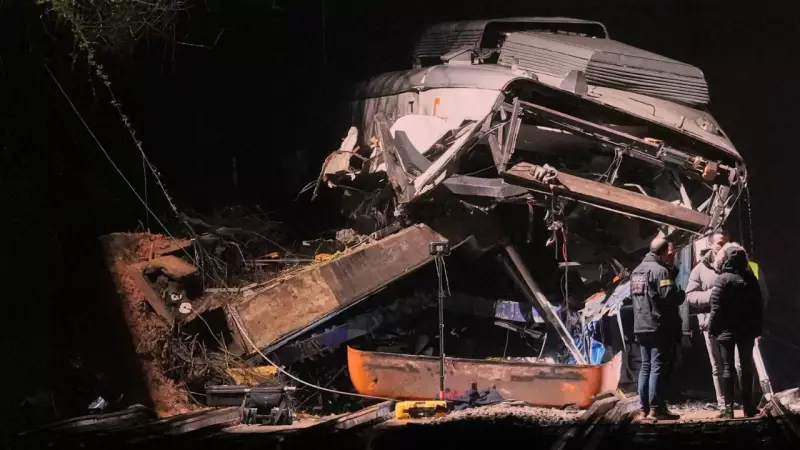
The most catastrophic incident occurred on Sunday evening in southern Spain, when a high-speed train derailed and collided with another fast train near Adamuz in Córdoba province. According to rail operator Adif, the tail end of a train carrying 289 passengers from Málaga to Madrid left the tracks and slammed into an oncoming train traveling from Madrid to Huelva with approximately 200 people aboard.
Transport Minister Óscar Puente confirmed that the second train bore the brunt of the impact, with its first two carriages knocked off the track and plummeting down a four-meter slope. The collision, occurring around 370 kilometers south of Madrid, resulted in at least 43 fatalities and more than 150 injuries, making it Spain's deadliest rail disaster since 2013.

"The impact was so incredibly violent that we have found bodies hundreds of meters away," reported Andalusia's regional President Juan Manuel Moreno. Authorities have identified nearly all victims from this tragic crash.
Investigations Point to Possible Track Failure
Initial explanations about the crash remain limited, with an official investigation underway. Álvaro Fernández, president of national railway company Renfe, stated that both trains were traveling well under the 250 kph speed limit and that "human error could be ruled out."
Minister Puente described the incident as "truly strange" since it occurred on a flat stretch of track recently renovated in May. However, officials discovered a broken section of track during inspections. "Now we have to determine if that is a cause or a consequence of the derailment," Puente told Spanish radio.
The derailed train belonged to private operator Iryo, which confirmed the vehicle was manufactured in 2022 and passed its latest safety check on January 15. The second train involved was operated by Renfe.
Union Warnings and Safety Concerns
The Spanish Union of Railway Drivers had previously sounded alarms about safety issues. In August, they sent a letter urging Spain's rail operator to investigate flaws on high-speed lines caused by increased traffic, warning of potholes, bumps, power line imbalances, frequent breakdowns, and train damage.
The union has called for a general strike in coming weeks to demand enhanced safety assurances, highlighting systemic concerns that may have contributed to recent accidents.
Additional Commuter Line Incidents
Further tragedies unfolded on Spain's commuter networks. On Tuesday night, a Barcelona commuter train crashed after a retaining wall collapsed onto the tracks, killing one person and injuring at least 37 others. Then on Thursday, another commuter train collided with a crane in southeastern Murcia region, sending six passengers to hospital with minor injuries.
While Spain's high-speed rail network has generally maintained a strong safety record since its 1992 inauguration, commuter lines have faced persistent reliability challenges, though fatal crashes remain uncommon.
Spain's High-Speed Rail Expansion Context
Spain has invested heavily in high-speed rail for decades, developing Europe's largest network for trains exceeding 250 kph with over 3,900 kilometers of track. This system has been celebrated as a popular, affordable, and safe transportation option. Sunday's collision marks the first fatal accident on Spain's high-speed network since its inception.
The recent cluster of incidents has cast a shadow over this achievement, prompting renewed scrutiny of maintenance practices, infrastructure integrity, and operational safety protocols across Spain's entire railway system.






