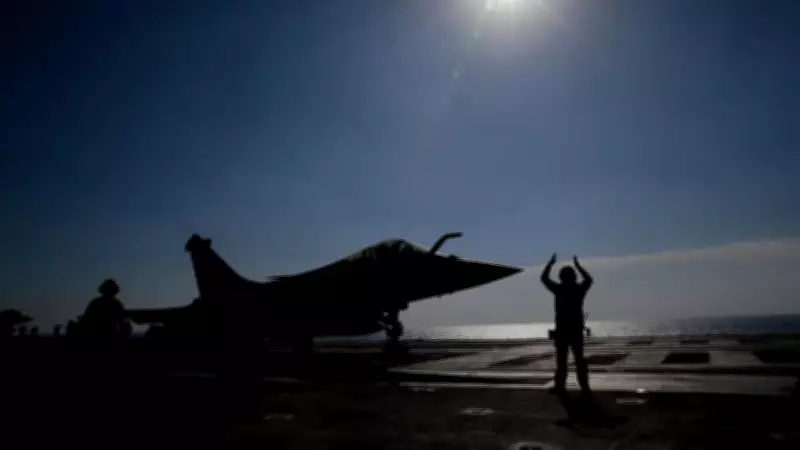
Spain Rejects US Request to Use Joint Bases for Iran Strikes
In a significant diplomatic move, Spain has formally refused to permit the United States to utilize jointly operated military bases on its territory for conducting strikes against Iran. This decision comes as Madrid intensifies its criticism of the escalating conflict across the Middle East, which has seen heightened military actions and retaliatory measures in recent weeks.
Prime Minister Sánchez Condemns Unilateral Actions
Prime Minister Pedro Sánchez strongly condemned what he described as "unilateral military action" by Washington and Israel. He labeled these operations as an "unjustified and dangerous military intervention" that poses a risk of creating "a more hostile and uncertain international order." His remarks were made public as US President Donald Trump indicated that the campaign against Iran could extend for several weeks, potentially lasting four to five weeks or longer.
Formal Denial of Base Access
The Spanish government has explicitly declined permission for the US to use the naval base at Rota and the air base at Morón for any operations linked to the strikes against Iran. Both facilities are jointly managed under longstanding defence agreements between Spain and the United States. Foreign Minister José Manuel Albares emphasized that Spain will not authorize any activities that fall outside existing bilateral arrangements or the framework of international law.
In a statement to Spanish television, Albares asserted, "The bases are not being used – nor will they be used – for anything that is not in the agreement, nor for anything that isn’t covered by the UN charter." This stance underscores Madrid's commitment to adhering strictly to legal and diplomatic protocols amidst the ongoing tensions.
Context of Intensifying Conflict
Spain's position emerges as fighting intensifies across the Middle East. US and Israeli forces have targeted Iranian missile sites and naval assets, while Tehran and its regional allies have retaliated with missile and drone attacks aimed at Israel and Gulf states. Key incidents include:
- Explosions reported in Bahrain, Dubai, and Doha.
- Israeli airstrikes on Hezbollah targets in Beirut.
- Threats to oil infrastructure in Saudi Arabia and shipping routes near the Strait of Hormuz.
These developments have driven energy prices sharply higher and disrupted global travel, adding economic strain to the geopolitical crisis. In contrast, the United Kingdom has allowed US access to bases in the Middle East but has refused to join the offensive operations, highlighting varied international responses.
US Objectives and Regional Implications
President Trump has outlined US objectives to destroy Iran's missile capabilities, cripple its navy, and prevent it from acquiring a nuclear weapon. The prolonged nature of the campaign, as indicated by Trump, suggests a sustained military effort that could further destabilize the region. Gulf nations have vowed to defend themselves, reflecting the broader security concerns amid the conflict.
Spain's refusal to support US military actions through its bases marks a clear stance against involvement in the conflict, aligning with its criticism of unilateral interventions. This decision may influence future defence collaborations and diplomatic relations between Madrid and Washington, as the international community grapples with the escalating violence and its global repercussions.