Indian-Origin Woman in Singapore Fined Over Rs 2 Lakh for Persistent Pigeon Feeding
A 71-year-old woman of Indian origin residing in Singapore has been ordered to pay a substantial fine exceeding Rs 2 lakh for repeatedly feeding pigeons in her neighborhood, despite receiving multiple warnings and previous penalties from authorities. The case highlights Singapore's strict enforcement of wildlife regulations in urban areas.
Details of the Offense and Legal Proceedings
Sanmugamnathan Shamla was fined S$3,200, equivalent to approximately Rs 2.26 lakh, after pleading guilty to four charges under the Singapore Wildlife Act. The court also considered five additional offenses during sentencing. According to reports from Channel NewsAsia, Shamla had been engaging in pigeon feeding activities around her housing block in Toa Payoh over a six-month period.
This was not Shamla's first encounter with the law regarding this matter. In May 2025, she had already been fined S$1,200 for feeding wild birds near her residence and for interfering with a National Parks Board pigeon-trapping operation. Despite this previous conviction, authorities continued to observe her scattering grain and bread for pigeons between July 2025 and January 2026.

Evidence Presented in Court
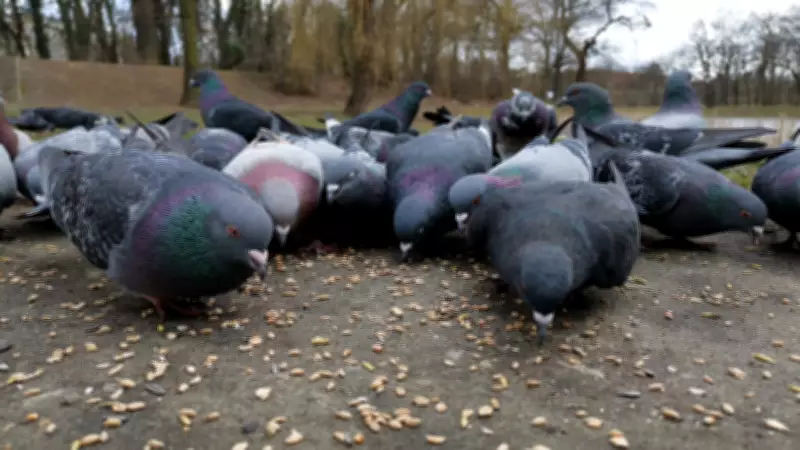
During the court hearing, Shamla requested to see the evidence against her. Prosecutors presented four video clips that clearly showed her standing amidst large flocks of pigeons while throwing food on the ground. Additional footage captured birds converging on the area as she walked away from the scene.
The incidents specifically occurred at Block 62B Lorong 4 in Toa Payoh, sometimes taking place late at night. These feeding sessions attracted substantial flocks of pigeons that gathered around her, creating public nuisance and potential health concerns.
Prosecution's Argument and Defendant's Response
An NParks prosecutor told the court that the case "clearly presents a pattern of recalcitrant behavior," describing Shamla as "a repeat offender" with "persistent disregard for the law." The prosecution noted that Shamla had previously promised not to repeat the offense and had even approached her Member of Parliament expressing that she was "deeply remorseful."
"However, just three days after this, she was caught committing the same offense," the prosecutor stated, characterizing her actions as "a calculated willingness" to break the law.
Shamla appeared in court without legal representation and informed the judge that she was unemployed and had no insurance. She requested that the fine be reduced to "in the S$1,000 to S$2,000" range, offering to "make up the balance ... by community service." After the total fine was announced, she told the judge she would pay it the same day.
Legal Framework and Potential Penalties
Under Singapore's Wildlife Act, repeat offenders who intentionally feed wildlife without approval can face fines of up to S$10,000 per charge. The legislation is designed to prevent public health issues and maintain urban cleanliness by discouraging the feeding of wildlife that can create nuisance conditions and spread diseases.
This case serves as a reminder of Singapore's strict approach to urban wildlife management and the significant penalties that can be imposed on those who repeatedly violate these regulations, regardless of age or personal circumstances.