Sikh Community Takes Action in London Child Rescue Mission
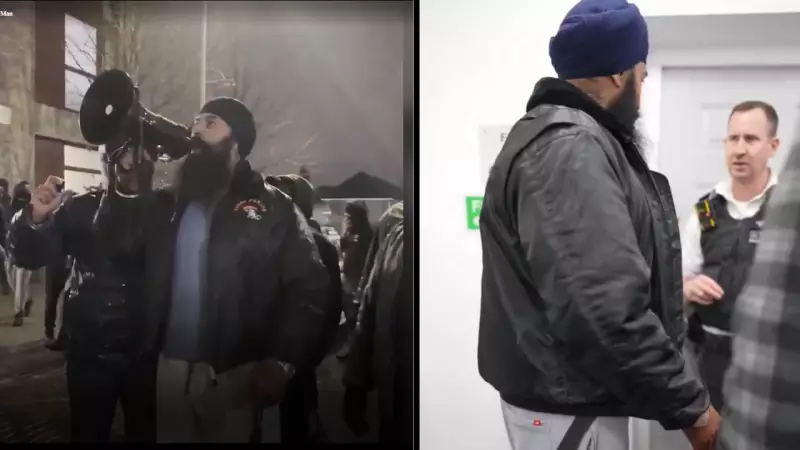
On a chilly January 11 evening, approximately 200 Sikh community members marched through West London streets. They weren't organizing a political demonstration or protest rally. These individuals united for a single urgent purpose: saving a child from potential danger.
The group converged on a council flat in Hounslow after receiving alarming reports. A 16-year-old girl was allegedly being held by a 34-year-old man described as having Afghan or Pakistani origins. Viral videos captured community members demanding immediate action, claiming the teenager had been stalked, trapped, and groomed since age 14.
Community Frustration Boils Over
Jaspal Singh from the Shere Panjab group confronted the suspect directly. He expressed the community's growing frustration with authorities. "Why did Sikhs need to intervene when police couldn't stop this situation? This represents a disgraceful failure. We're essentially performing police duties ourselves," Singh stated forcefully.

Police eventually arrived and removed the suspect from the scene. However, this incident ignited intense public debate about systemic failures. Many questioned why UK law enforcement continues allowing such crimes to occur within their jurisdictions.
Historical Pattern of Exploitation
This case doesn't stand alone. For decades, organized child exploitation has scarred multiple UK communities. Locations like Rotherham, Rochdale, Oxford, and Telford have witnessed similar tragedies. The Jay Report confirmed at least 1,400 child victims suffered horrific abuse in Rotherham alone.
Metropolitan Police statements about the Hounslow incident further inflamed public anger. A spokesperson commented, "Currently we see no indication of sexual offences occurring, though detectives maintain open investigative minds." Community members interpreted this as institutional blindness echoing Baroness Louise Casey's 2025 audit findings.
Casey identified institutional failures stemming from multiple factors:
- Blindness to obvious patterns
- Willful ignorance of evidence
- Prejudicial thinking
- Defensive organizational cultures
- Misdirected good intentions
Public Figures Criticize Establishment Response
High-profile personalities like Elon Musk and Piers Morgan consistently criticize UK authorities regarding this issue. Musk recently suggested the government prioritizes social media regulation over child protection. He argues political correctness enables predators while authorities avoid examining ethnic patterns to escape racism accusations.
Understanding Grooming Gang Operations
Commonly called "grooming gangs," these networks typically involve groups targeting underage girls. Perpetrators build trust through manipulation before gradually isolating victims from family support systems.
Deepa Singh, Sikh Youth UK founder, explains how groomers identify vulnerable targets. "They specifically look for girls experiencing cultural or social gaps. Groomers systematically drive wedges between victims and their families," Singh noted, emphasizing this represents organized crime rather than isolated incidents.
Predator Playbook Revealed
Pakistani grooming gangs employ calculated methods targeting girls aged 11-17:
- Initial Contact: Random texts, social media messages, or "friendly" approaches near schools and takeaways
- Luring Tactics: Promises of affection combined with extravagant lifestyle offers including cars, gifts, and constant compliments
- Trapping Methods: Providing drugs or alcohol to create dependency and increase isolation from family
- False Allegation Strategy: Forcing girls to accuse male family members of abuse, leading to foster care placement and increased vulnerability
Systematic Abuse Cycles
Once trapped, victims face horrific systematic abuse patterns:

- Multiple Abusers: Victims typically suffer abuse from network members rather than single perpetrators
- Psychological Torture: Men aged 20-40 subject girls to repeated sexual assaults, often recording these for blackmail purposes
- Forced Conversions: Many documented cases involve religious indoctrination, sometimes including forced Islamic conversion to destroy original identity
Statistical Reality of Child Exploitation
While child exploitation occurs across communities, official data reveals specific patterns in group-based "street grooming" cases.
The 2025 Casey National Audit shows 28.5% of contact sexual abuse cases involve exploitation. Greater Manchester studies indicate 52% of group-based exploitation offenders have Asian ethnicity, with Pakistani heritage representing the largest subgroup.
National Crime Agency 2025 reports identified 12,120 children affected by sexual exploitation. However, the Complex Organised Child Abuse Dataset recorded only 700 group-based CSE offences, suggesting most gang activities escape proper prosecution.
Lasting Impact on Survivors
Grooming gang damage extends beyond political discussions. Survivors endure lifelong consequences including:
- Severe psychological trauma
- Substance addiction issues
- Mental health collapse
Survivor advocate Ellie-Ann Reynolds recently resigned from a government panel protesting institutional inaction. "Rape gangs operate actively nationwide. Real change requires united community standing," Reynolds warned.
The Hounslow rescue demonstrates Sikh communities refusing to wait for negligent government responses. Until UK authorities prioritize child safety over political sensitivities, grooming gang scandals will continue bleeding British society.