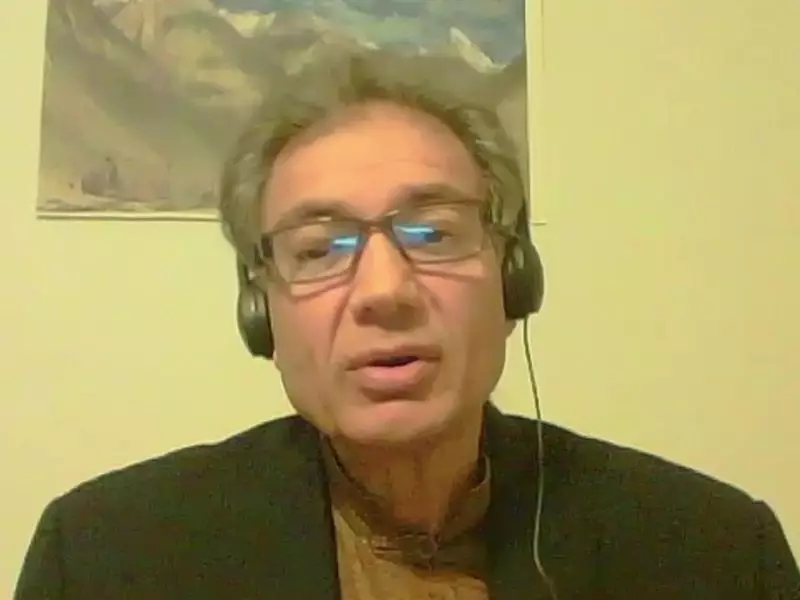
In a significant statement, Senge Sering, a prominent activist and researcher, has asserted that the people of Pakistan-occupied Gilgit-Baltistan (PoGB) are deprived of constitutional rights due to Pakistan's administrative control over the region. This declaration underscores the ongoing human rights concerns and the complex geopolitical dynamics surrounding this disputed territory.
The Core Issue: Constitutional Deprivation in PoGB
Sering, who is known for his advocacy on behalf of the people of Gilgit-Baltistan, explained that Pakistan's governance structure in PoGB does not grant the residents the same fundamental rights and protections afforded to citizens in other parts of Pakistan. He emphasized that this situation stems from the region's disputed status, which has been a point of contention between India and Pakistan for decades. According to Sering, the lack of constitutional safeguards leaves the local population vulnerable to arbitrary decisions and limited political representation.
Historical and Legal Context
The region of Gilgit-Baltistan has been under Pakistan's control since 1947, but its legal status remains ambiguous under international law. India claims it as part of its territory, while Pakistan administers it separately from its provinces. Sering pointed out that this ambiguity has resulted in a governance vacuum, where PoGB is neither fully integrated into Pakistan nor recognized as an independent entity. This has led to issues such as restricted access to justice, economic disparities, and limited civil liberties for the inhabitants.

Implications for Human Rights and Regional Stability
Sering's remarks highlight broader human rights challenges in PoGB, including reports of political repression, economic exploitation, and social marginalization. He called for increased international attention to the plight of the people, urging global bodies to address the constitutional void. Furthermore, this situation has implications for regional stability, as the unresolved status of PoGB continues to fuel tensions between India and Pakistan, affecting diplomatic relations and peace efforts in South Asia.
Call for Action and Future Prospects
In his statement, Sering advocated for a resolution that respects the rights and aspirations of the people of Gilgit-Baltistan. He suggested that either full constitutional integration into Pakistan or a move towards self-determination could provide a path forward, but stressed that the current arrangement is unsustainable. This call to action resonates with ongoing debates about autonomy and rights in conflict zones, making it a critical issue for policymakers and human rights organizations worldwide.
As the discourse evolves, Sering's insights serve as a reminder of the urgent need to address the constitutional and human rights deficits in PoGB, ensuring that the voices of its people are heard and their dignity upheld in any future settlement.