Supreme Court Upholds Maintenance Rights for Widowed Daughters-in-Law
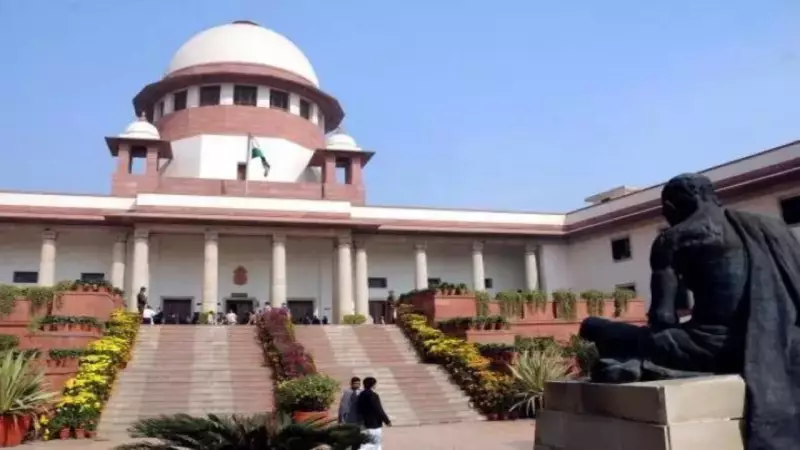
The Supreme Court of India delivered a landmark judgment on Tuesday. It clarified the maintenance rights of widowed daughters-in-law under Hindu law. The court invoked ancient principles from the Manusmriti to support its decision.
Court Cites Manusmriti in Ruling
Justices Pankaj Mithal and S V N Bhatti referenced the Manusmriti in their ruling. This ancient text states that no mother, father, wife, or son should ever be forsaken. It further says that a person who abandons them deserves to face a fine. The bench used this moral foundation to interpret modern legal provisions.
The court addressed a specific legal confusion. Some argued that a daughter-in-law who becomes a widow during her father-in-law's lifetime deserves maintenance. However, they claimed she does not deserve it if she becomes a widow after his death. The Supreme Court firmly rejected this distinction.

Classification Deemed Arbitrary and Unreasonable
The bench declared the classification between widowed daughters-in-law as arbitrary. It said basing rights solely on the timing of the husband's death is unreasonable. The court emphasized that both categories of women deserve equal protection under the law.
The judgment focuses on Section 22 of the Hindu Adoptions and Maintenance Act, 1956. This section provides for the maintenance of dependants. It places an obligation on all heirs of a deceased Hindu. They must maintain the deceased's dependants from the inherited estate. The law explicitly includes a daughter-in-law who becomes a widow.
Pious Obligation of the Father-in-Law
The Supreme Court elaborated on the legal and moral duty. It stated that a son or his legal heirs must maintain all dependent persons from the inherited estate. This includes anyone the deceased was legally or morally bound to support.
Therefore, upon the death of a son, a pious obligation falls upon the father-in-law. He must maintain his widowed daughter-in-law if she cannot support herself. This applies whether she lacks personal means or property from her deceased husband.
The Act does not exclude this obligation based on when she became a widow. It applies whether the widowhood occurred before or after the father-in-law's death. The court stressed this point to ensure comprehensive protection.
Preventing Destitution and Social Marginalisation
The bench warned against a narrow interpretation of the statute. Denying maintenance on technical grounds could have severe consequences. It might expose a widowed daughter-in-law to destitution. It could also lead to her social marginalisation.
The Supreme Court's ruling reinforces social welfare principles within Hindu law. It ensures that widowed daughters-in-law receive necessary financial support. This decision aims to uphold their dignity and prevent hardship.