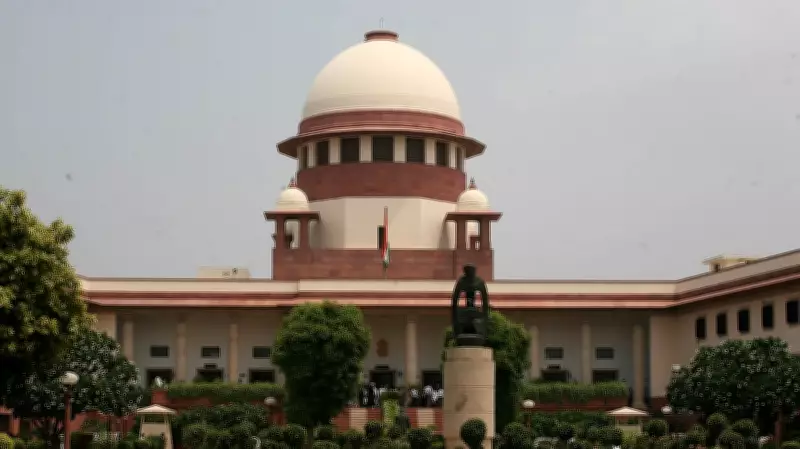
Supreme Court Issues Directive on Medical Service Bonds
The Supreme Court of India has taken a significant step in the realm of medical education by directing state governments to defer the enforcement of mandatory service bonds for postgraduate medical students who are pursuing super speciality courses. This landmark decision aims to address the concerns of medical professionals seeking advanced training without the immediate burden of compulsory service obligations.
Details of the Court's Ruling
In a recent hearing, the bench made it explicitly clear to the appellant that any breach of the undertaking related to these bonds would result in the initiation of contempt proceedings by the court. This stern warning underscores the seriousness with which the judiciary views compliance with its directives, ensuring that students adhere to the terms set forth during their educational pursuits.
The ruling comes at a critical time when the healthcare sector in India is grappling with a shortage of specialised medical professionals. By allowing students to focus on their super speciality training without the pressure of immediate service commitments, the court hopes to foster a more conducive learning environment that ultimately benefits the nation's healthcare system.
Implications for Medical Education and Healthcare
This decision is expected to have far-reaching implications for medical education policies across the country. States are now required to review and adjust their bond policies in line with the Supreme Court's directive, potentially leading to more flexible and student-friendly approaches in the future.
Moreover, the court's emphasis on contempt proceedings serves as a deterrent against non-compliance, ensuring that both students and state authorities take their responsibilities seriously. This move is seen as a balance between supporting medical professionals' educational aspirations and maintaining accountability within the system.
As the healthcare landscape evolves, such judicial interventions play a crucial role in shaping policies that align with the needs of both medical practitioners and the public. The Supreme Court's ruling marks a pivotal moment in the ongoing dialogue about medical education reforms in India.