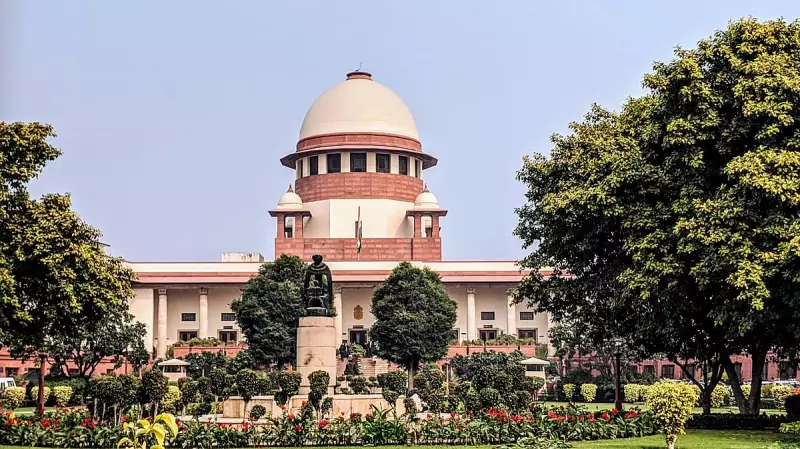
In a significant legal development, the Supreme Court of India has suspended the Central Bureau of Investigation probe into the murder case of Tamil Nadu's Bahujan Samaj Party president. The decision came during hearings on November 19, 2025, marking a crucial turn in the high-profile investigation.
Legal Challenge Against High Court's Decision
Senior advocate Sidharth Luthra presented compelling arguments before the Supreme Court bench, challenging the Madras High Court's approach to the case. Luthra strongly contended that the police had filed a comprehensive chargesheet in the murder investigation, which the High Court subsequently quashed in what he described as a casual manner.
The legal battle centers around procedural aspects and the thoroughness of the initial investigation conducted by local police authorities. Luthra's arguments emphasized that the detailed chargesheet prepared by law enforcement officials warranted more serious consideration than what it received from the higher judicial forum.
Supreme Court's Interim Intervention
The apex court's decision to suspend the CBI probe represents an interim measure while the matter undergoes further judicial scrutiny. This suspension effectively puts on hold the central agency's investigation until the Supreme Court reaches a final determination on the legal questions involved.
The development underscores the ongoing tensions between different levels of the Indian judiciary regarding investigative procedures and the handling of politically sensitive cases. The Supreme Court's intervention suggests that the bench found merit in examining whether the High Court adequately considered all aspects of the case before making its determination.
Broader Implications for the Case
This legal maneuvering has significant implications for the future course of the murder investigation. The Supreme Court's suspension order indicates potential concerns about procedural fairness and the proper evaluation of investigative work already completed by state police forces.
The case continues to draw national attention due to its political undertones and the serious nature of the crime involved. As the legal process unfolds, all eyes remain on the Supreme Court for further directions that could shape not only this particular investigation but also establish important precedents for similar cases in the future.
Legal experts are closely monitoring how the Supreme Court balances the need for thorough investigation with concerns about procedural propriety. The outcome could influence how higher courts across India approach cases where investigative agencies' work is challenged in subsequent legal proceedings.