Supreme Court Voices Concern Over Tribunal Members Outsourcing Judgment Drafting
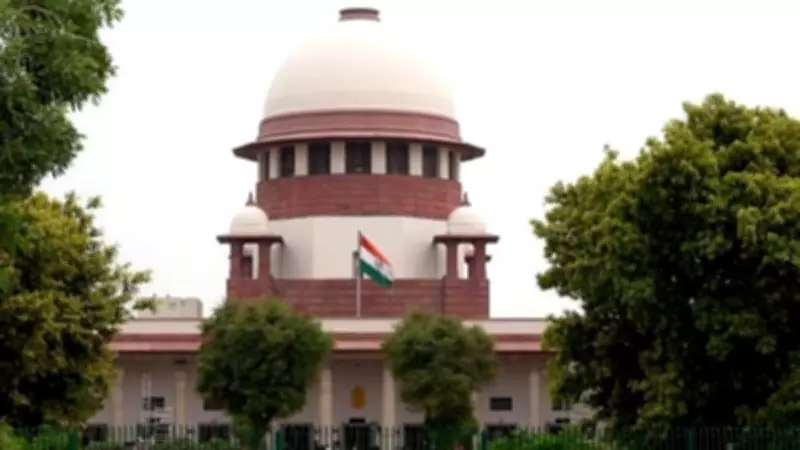
The Supreme Court of India has openly expressed its frustration and concern regarding a troubling practice within the nation's tribunal system. During a recent hearing, the apex court lamented the outsourcing of verdict writing by technical members serving on various tribunals, describing the situation as "a mess" that undermines judicial integrity and efficiency.
Hearing Context: Tribunal Tenure Extensions Under Scrutiny
The court's remarks came while it was deliberating on matters related to the extension of tenure for tribunal members. This hearing is set against the significant backdrop of the Supreme Court's own landmark judgment from the previous year. In that ruling, the court struck down several key provisions of the Tribunal Reforms Act of 2021, which had aimed to overhaul the structure and functioning of tribunals across India.
The Tribunal Reforms Act, 2021, was legislation passed by Parliament to consolidate and amend laws relating to tribunals. However, the Supreme Court found certain sections of this act to be unconstitutional, citing concerns over judicial independence and the separation of powers. The voiding of these provisions has left a complex legal landscape, directly influencing current discussions about tribunal member appointments, tenures, and their professional conduct.
The Core Issue: Outsourcing of Verdict Drafting
At the heart of the court's dismay is the reported practice where technical members—experts appointed to tribunals for their specialized knowledge in fields like taxation, environment, or administrative law—are not personally drafting their judgments. Instead, evidence suggests that some members are outsourcing this critical judicial function to third parties.
This outsourcing raises severe questions about the authenticity, quality, and judicial ownership of tribunal decisions. Verdicts are the cornerstone of the judicial process, requiring careful legal reasoning, a thorough understanding of case facts, and adherence to principles of justice. When the drafting is delegated externally, it compromises the tribunal member's direct engagement with the case and may lead to inconsistencies or errors in legal interpretation.
The Supreme Court emphasized that such practices erode public trust in the tribunal system. Tribunals are quasi-judicial bodies designed to provide specialized, expedited resolutions to disputes in specific domains. Their effectiveness hinges on the expertise and diligence of their members. Outsourcing judgment writing contradicts the very purpose of having technical experts on these panels, as it distances them from the core judicial task of reasoned decision-making.
Broader Implications for India's Judicial Framework
This issue intersects with ongoing debates about tribunal reforms and judicial appointments in India. The Supreme Court's previous annulment of parts of the 2021 Act highlighted concerns over governmental influence and the need for robust safeguards to protect tribunal autonomy. The current concern over outsourced verdicts adds another layer, focusing on internal practices that affect judicial output.
Potential consequences and considerations include:
- Quality of Justice: Outsourced judgments may lack the nuanced understanding that a technical member brings, potentially leading to flawed decisions.
- Accountability: When verdicts are written by unnamed third parties, it becomes challenging to hold tribunal members accountable for the reasoning and conclusions in their orders.
- Efficiency vs. Integrity: While tribunals aim for efficiency, this cannot come at the cost of compromising judicial integrity and the personal involvement of members.
- Need for Guidelines: The Supreme Court's remarks may prompt calls for clearer guidelines or ethical codes specifically prohibiting the outsourcing of judgment drafting in tribunals.
The Supreme Court's hearing is ongoing, and its final observations or directives on this matter could have far-reaching effects on how tribunals operate across the country. By highlighting this "mess," the court is signaling a need for immediate corrective measures to uphold the standards of India's quasi-judicial institutions.