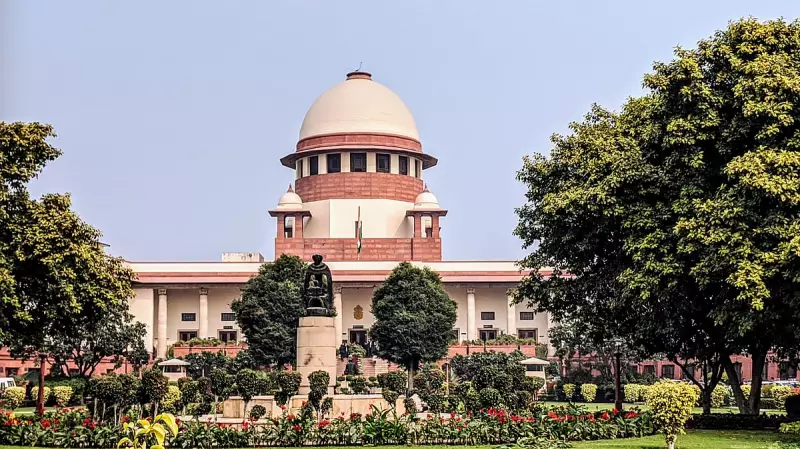
The Supreme Court of India delivered a sharp rebuke to the Central Bureau of Investigation (CBI) on Tuesday, November 18, 2025, dismissing its plea for a probe in Jharkhand and pointedly questioning the agency's motives. The court's stern observations highlighted concerns over the use of investigative machinery in political contests.
A Stern Judicial Warning
During the hearing, the apex court bench did not mince words when addressing the CBI's application. The justices demanded to know why the premier investigation agency was being deployed for what they termed 'political battles'. This strong phrasing underscores the court's apprehension about the potential weaponization of central agencies.
Senior advocate Kapil Sibal, representing the Jharkhand Vidhan Sabha Secretariat, presented a startling accusation. He informed the court that it was 'shocking that when matters come up, the CBI appears in that court beforehand.' This statement suggests a pattern of pre-emptive legal action by the agency, raising questions about its operational impartiality.
The Context of the Clash
The legal tussle is set against the volatile political backdrop of Jharkhand. The CBI's plea was part of an ongoing investigation that has significant political ramifications for the state's current administration. The Supreme Court's rejection of this plea is a major setback for the agency and a significant relief for the Jharkhand government.
The court's decision to refuse the probe indicates a judicial stance against what it may perceive as overreach or politically motivated investigations. This is not the first time the Supreme Court has expressed concern over the functioning of central investigative agencies in politically sensitive cases.
Implications and the Road Ahead
The Supreme Court's firm position has several immediate consequences. Firstly, it halts the CBI's proposed investigation in its tracks. Secondly, it serves as a powerful judicial commentary on the need for investigative bodies to remain independent and free from political influence.
This ruling reinforces the principle that state institutions, especially those with coercive power, must operate within their legal mandate and not become tools in the hands of the ruling dispensation. The legal and political communities are now watching closely to see how this judicial guidance impacts future interactions between central agencies and state governments led by political opponents.