Supreme Court Dismisses Plea to Restrict Naming of Religious Sites After Babur
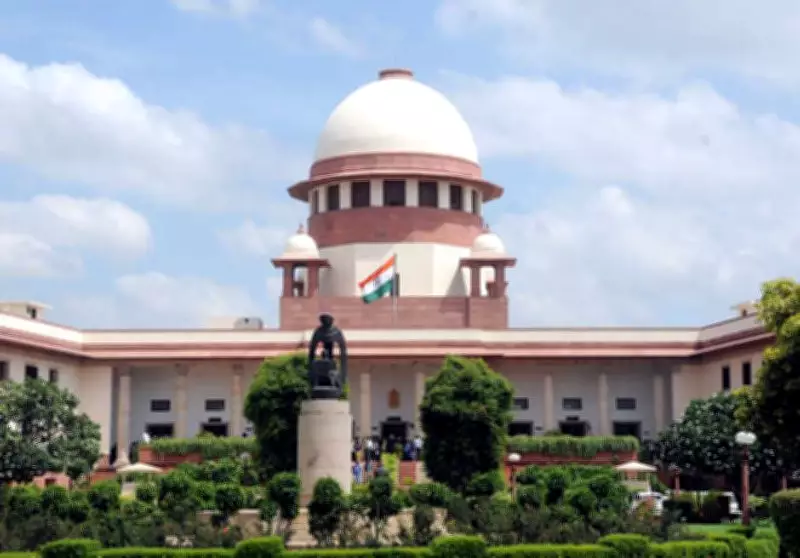
The Supreme Court of India has firmly refused to entertain a petition that sought to restrain the naming of religious structures after the Mughal emperor Babur. In a significant ruling, the apex court emphasized the absence of any legal basis for such a restriction and highlighted concerns over judicial overreach into matters of historical and cultural nomenclature.
Petition Details and Legal Arguments
The plea, filed by an individual petitioner, argued that naming religious sites after Babur could potentially offend religious sentiments and disrupt communal harmony. The petitioner contended that Babur, as a historical figure associated with the Mughal Empire, might be viewed controversially in certain contexts, and thus, such namings should be prohibited to maintain social peace.
However, the Supreme Court bench, comprising Justices who presided over the case, scrutinized the petition and found it lacking in substantive legal merit. The court noted that there is no existing law in India that specifically bans the naming of religious structures after historical figures, including Babur. The judges pointed out that such matters typically fall under the purview of cultural and administrative policies, rather than judicial intervention.
Court's Rationale and Broader Implications
In its detailed order, the Supreme Court underscored the importance of judicial restraint in issues involving historical interpretations and cultural practices. The bench stated that courts should not venture into areas where there is no clear legal violation or constitutional mandate, as doing so could set a precedent for unnecessary litigation and encroach on other branches of governance.
The ruling has broader implications for how India handles historical symbolism and religious nomenclature. It reinforces the principle that, in a diverse and pluralistic society, decisions on naming structures should be guided by existing laws and administrative discretion, rather than judicial mandates based on subjective interpretations of history. This approach aims to balance cultural sensitivities with legal frameworks, ensuring that such matters are addressed through appropriate channels without judicial overreach.
Public and Expert Reactions
Following the court's decision, reactions have been mixed. Some legal experts have praised the ruling for upholding the separation of powers and avoiding entanglement in potentially divisive historical debates. They argue that the court's stance prevents it from being drawn into controversies that are better resolved through public discourse or legislative action.
On the other hand, certain groups and individuals have expressed disappointment, suggesting that the court missed an opportunity to address what they perceive as inflammatory practices. However, the Supreme Court's refusal to intervene has been widely interpreted as a reaffirmation of its role in interpreting laws rather than creating new restrictions based on historical or cultural considerations.
This case highlights the ongoing challenges in navigating India's complex historical legacy and its impact on contemporary society. By declining to entertain the plea, the Supreme Court has signaled a cautious approach, prioritizing legal principles over potential social tensions, and leaving such decisions to the democratic and administrative processes.