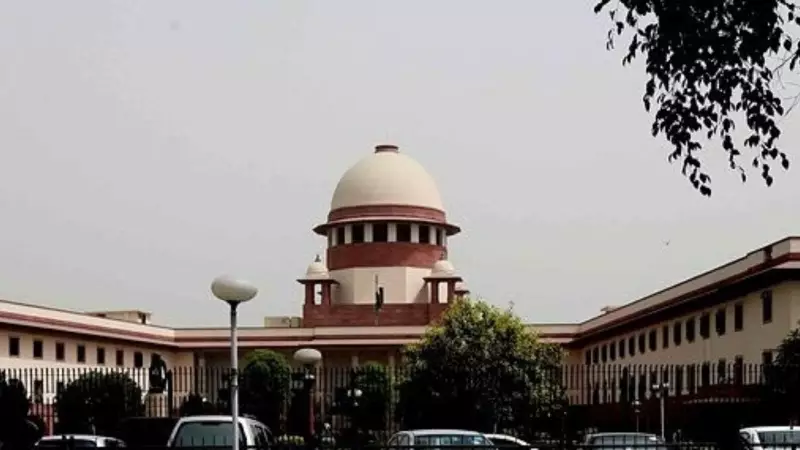
The Supreme Court of India has dismissed a unique petition that sought the establishment of an eco-friendly disposal mechanism for the bands worn by lawyers in courtrooms across the country. The plea was filed by a lawyer's wife who discovered numerous discarded bands during her Diwali cleaning.
Unusual Petition Reaches Apex Court
The petition, which reached the Supreme Court on Tuesday, was filed by the wife of a practicing lawyer. She approached the apex court seeking institutional intervention for proper disposal of advocates' bands. The petitioner revealed that during her pre-Diwali house cleaning, she realized there were numerous lawyer bands in her home that were no longer being used.
Presiding over a two-judge bench, Chief Justice of India B R Gavai expressed skepticism about the petition's scope. "Tomorrow, should we issue writs to monitor the use of handkerchiefs by citizens in the country?" Justice Gavai questioned the petitioner during the hearing.
Court's Skeptical Response
The Chief Justice further remarked that the petitioner could have educated her husband about proper disposal methods. However, the petitioner explained that the bands become unusable after washing because the starch washes away, making them different from ordinary handkerchiefs.
"This band is different from handkerchiefs because it's a mark of honor," the petitioner argued. "In the morning, everybody uses it as if it's a matter of pride. But ultimately it's going to the landfill with used napkins."
Proposed Solution and Court's Reaction
The petitioner had suggested that the Supreme Court set an example by installing collection boxes where lawyers could deposit their used bands. She proposed that these collected bands could be industrially starched and reused, emphasizing that the issue required institutional intervention.
However, the court remained unconvinced. CJI Gavai questioned the petitioner about the extent of judicial intervention she was seeking, asking whether the court should also intervene in village garbage collection, municipal waste management, and sewage treatment plants across the country.
Though the petitioner countered that municipal rules classify such waste as cloth waste, the Supreme Court bench was not impressed with her arguments and proceeded to dismiss the petition. The dismissal highlights the court's position on the limits of judicial intervention in everyday waste management issues.