Supreme Court Dismisses PIL Seeking Removal of Savarkar Portraits from Parliament
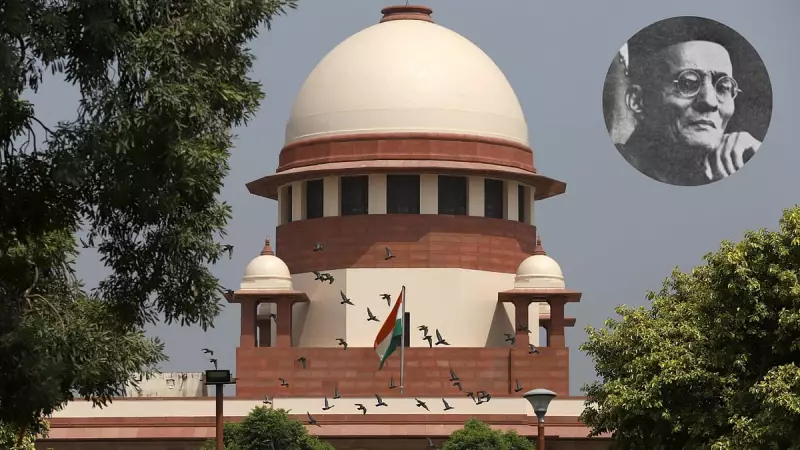
The Supreme Court of India has firmly refused to entertain a Public Interest Litigation (PIL) that sought the removal of portraits of Vinayak Damodar Savarkar from Parliament premises. The court issued a stern warning to the petitioner about imposing costs for the legal proceedings.
Bench Expresses Displeasure Over Petitioner's Submission
A bench of the Supreme Court expressed clear irritation during the hearing. The petitioner submitted that he could not appear in person to argue the case due to financial constraints. This explanation did not sit well with the justices.
The bench highlighted the seriousness of filing such petitions. They emphasized that litigants must be prepared to bear the responsibilities that come with initiating legal action. Citing lack of funds as a reason for non-appearance was deemed unacceptable by the court.
Court's Warning on Potential Costs
In a strong message, the Supreme Court warned the petitioner about the possibility of imposing costs. The court indicated that such costs could be levied if the petition proceeds without proper justification or personal representation.
This warning serves as a reminder about the judicial system's expectations. Litigants are expected to approach courts with genuine grievances and adequate preparation. The bench made it clear that financial limitations cannot excuse procedural lapses in important constitutional matters.
Background of the PIL and Its Implications
The PIL specifically targeted portraits of Vinayak Damodar Savarkar displayed in Parliament. Savarkar remains a controversial figure in Indian history, with debates about his legacy continuing in public discourse.
Parliament houses portraits of numerous historical figures. Their display often sparks political and ideological discussions. This petition sought judicial intervention in what many consider a matter of historical interpretation and parliamentary privilege.
The Supreme Court's refusal to entertain this PIL reinforces judicial restraint in certain domains. Courts typically avoid intervening in parliamentary affairs unless clear constitutional violations exist. The bench's reaction suggests this petition failed to meet that threshold.
What This Decision Means for Future Petitions
This ruling sets an important precedent for how courts handle similar petitions. Key takeaways include:
- Personal appearance matters: Petitioners must make reasonable efforts to appear before courts.
- Financial preparedness: Litigants should consider costs before filing cases.
- Judicial boundaries: Courts may decline to enter certain political or historical debates.
- Procedural discipline: Proper conduct remains essential in public interest litigation.
The Supreme Court's decision underscores the balance between accessible justice and responsible litigation. While PILs serve as important tools for social change, they must be filed with due diligence and respect for judicial processes.
This case highlights how courts manage petitions touching on sensitive historical and political symbols. The warning about costs sends a clear message about maintaining the sanctity of judicial time and resources.