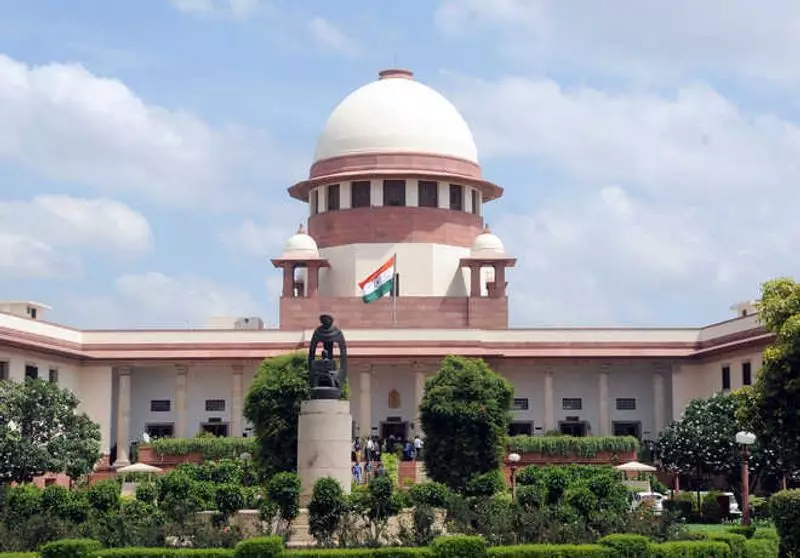
In a significant ruling that underscores India's zero-tolerance approach to terrorism, the Supreme Court has refused bail to a man allegedly connected to an ISIS terror module. The court's decision sends a powerful message about the seriousness with which the judiciary views threats to national security.
The Court's Stern Message on Terrorism
Justice Dipankar Datta delivered a strongly worded observation during the hearing, stating that "it is the best morning to send a message" about the consequences of involvement with terrorist organizations. This remark came during the bail plea hearing of Mohammed Azeem, who stands accused of being part of an ISIS-inspired module with alleged plans to carry out attacks across multiple Indian states.
The bench, also comprising Justice SC Sharma, emphasized that individuals associated with terrorist groups should not expect leniency from the courts. The timing of this decision is particularly significant as it reinforces the judiciary's commitment to national security amid growing concerns about terrorist activities.
Details of the ISIS Terror Module Case
According to the prosecution's case, Mohammed Azeem was part of a larger conspiracy that involved planning and preparing for terrorist activities across several states. The Delhi Police's Special Cell had uncovered this module in 2022, revealing what investigators described as a well-organized network with clear ideological and operational links to ISIS.
The evidence presented against Azeem includes electronic communications, financial transactions, and material evidence that allegedly demonstrate his active participation in the terror module. Prosecutors argued that granting bail to such accused individuals could not only hamper the ongoing investigation but also pose a significant threat to public safety.
Investigators claim the module had conducted reconnaissance of potential targets and was in advanced stages of planning attacks. The seriousness of these allegations played a crucial role in the court's decision to deny bail, with the judges noting the potential risk to national security if the accused were released.
Legal Proceedings and Future Implications
The Supreme Court's ruling comes after lower courts had also denied bail to the accused, consistently recognizing the gravity of the charges. The prosecution successfully argued that given the nature of the offense and the evidence collected, the accused represented a flight risk and could potentially influence witnesses or tamper with evidence if released.
This decision sets an important precedent for similar cases involving alleged terrorist activities. Legal experts suggest that the court's firm stance will influence how bail applications are handled in terrorism-related matters across the country. The message is clear: when national security is at stake, the courts will prioritize public safety over individual liberty during the trial process.
The case will now proceed through the normal legal channels, with the trial expected to continue in the designated court. The accused remains in judicial custody as the investigation and legal proceedings move forward. This ruling reinforces the collaborative approach between India's law enforcement agencies and judiciary in combating terrorism and maintaining national security.