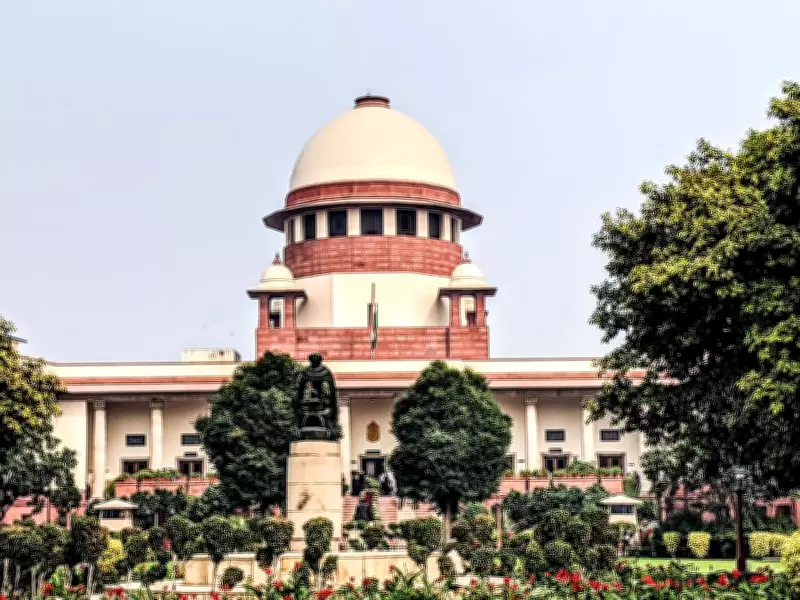
Public Interest Litigation Filed in Supreme Court for Display Boards on False Complaint Penalties
A significant Public Interest Litigation (PIL) has been submitted to the Supreme Court of India, urging the implementation of mandatory display boards at police stations and court complexes across the nation. This initiative seeks to prominently outline the legal punishments and consequences for individuals who file false or frivolous complaints, thereby aiming to curb the misuse of the justice system and enhance public awareness.
Core Objectives of the PIL
The PIL, filed by concerned citizens and legal advocates, emphasizes the need for transparency and deterrence in legal proceedings. Key objectives include:
- Mandatory Installation: Requiring all police stations and court complexes to install clear, visible display boards that specify the penalties under relevant laws for submitting false complaints.
- Public Awareness: Educating the general public about the severe repercussions, such as fines and imprisonment, associated with lodging baseless allegations, which can waste judicial resources and harm innocent parties.
- Deterrence Mechanism: Acting as a preventive measure to discourage individuals from engaging in malicious legal actions, thereby reducing the backlog of cases and ensuring the integrity of the legal process.
Legal Framework and Implications
Under Indian law, filing false complaints can lead to charges under sections such as 182 of the Indian Penal Code (IPC), which deals with false information to a public servant, and other provisions that may result in imprisonment or monetary fines. The PIL argues that by making these consequences publicly known at the very locations where complaints are filed, it will foster a more responsible approach to legal grievances.

Legal experts highlight that this move could significantly impact how complaints are handled, potentially reducing the number of frivolous cases and allowing law enforcement to focus on genuine issues. It aligns with broader judicial reforms aimed at improving efficiency and trust in the legal system.
Potential Benefits and Challenges
If the Supreme Court rules in favor of the PIL, it could bring several advantages:
- Enhanced Accountability: Encouraging truthfulness in complaints and holding individuals accountable for their actions.
- Resource Optimization: Freeing up police and court resources currently tied up in investigating and adjudicating false claims.
- Public Confidence: Boosting public trust in legal institutions by demonstrating a commitment to fairness and justice.
However, challenges may arise in implementation, such as ensuring uniformity in display content across diverse regions, funding for installation, and monitoring compliance. The PIL suggests that the central and state governments collaborate to address these issues, possibly through guidelines from the Ministry of Home Affairs or judicial directives.
Conclusion and Future Outlook
This PIL represents a proactive step towards legal reform in India, focusing on preventive measures rather than reactive solutions. As the Supreme Court reviews the petition, stakeholders including law enforcement agencies, judicial bodies, and civil society will be closely watching the outcome. A favorable decision could set a precedent for similar initiatives globally, promoting a more efficient and just legal environment.
In summary, the call for display boards at police stations and court complexes is not just about information dissemination but about fostering a culture of responsibility and integrity within the legal framework, ultimately contributing to a more robust and reliable justice system for all citizens.