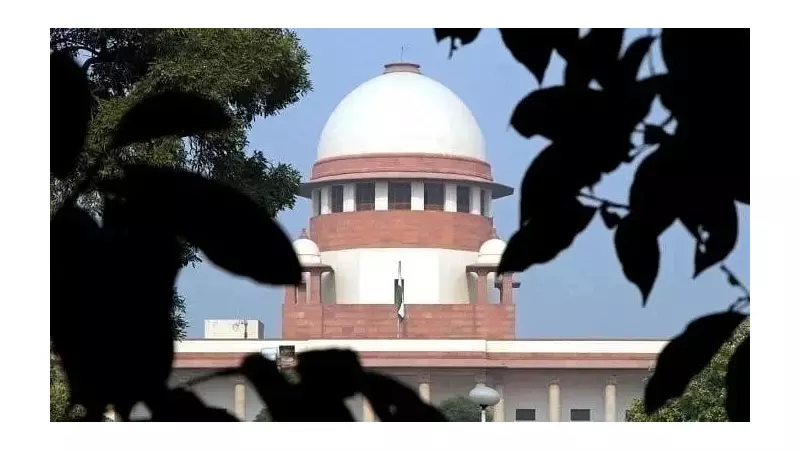
In a landmark judgment that reinforces the fundamental right to privacy, the Supreme Court of India has declared that DNA testing must be governed by stringent safeguards to protect the dignity of individuals. The apex court delivered this significant ruling on November 10, 2025, emphasizing that forceful subjection to such procedures constitutes a grave intrusion upon personal liberty.
The Core Judgment: Protecting Privacy in the Genetic Age
The Supreme Court bench articulated that forcibly subjecting an individual to DNA testing represents a serious violation of personal rights. The court emphasized that while DNA technology can be crucial for justice delivery and medical purposes, it cannot come at the cost of compromising an individual's fundamental right to privacy and bodily autonomy.
The ruling establishes that DNA testing procedures must operate within a framework that respects constitutional values. The court specifically highlighted the need for informed consent and proper legal authorization before any individual can be subjected to genetic testing, except in exceptional circumstances governed by established legal protocols.
Balancing Technological Advancements and Fundamental Rights
This judgment comes at a time when DNA testing technology is becoming increasingly accessible and sophisticated. The court acknowledged the utility of genetic testing in various domains including:
- Criminal investigations and justice delivery
- Medical diagnostics and treatment
- Establishing biological relationships
- Historical and anthropological research
However, the bench strongly cautioned against unregulated use of this powerful technology. The court stated that without proper safeguards, DNA testing could become a tool for harassment and privacy violation rather than serving its legitimate purposes.
Implementation and Future Implications
The Supreme Court's directive for stringent safeguards is expected to have far-reaching consequences across multiple sectors. Law enforcement agencies, healthcare providers, and private testing facilities will need to develop comprehensive protocols that align with the court's vision of protecting individual dignity.
The ruling also opens the door for potential legislative action to create a robust legal framework specifically governing DNA testing in India. This could include provisions for data protection, storage limitations, and consequences for misuse of genetic information.
Legal experts believe this judgment will serve as a crucial precedent in future cases involving privacy rights and emerging technologies. The November 10, 2025 verdict reinforces India's commitment to protecting fundamental rights in an increasingly digital and scientific world.