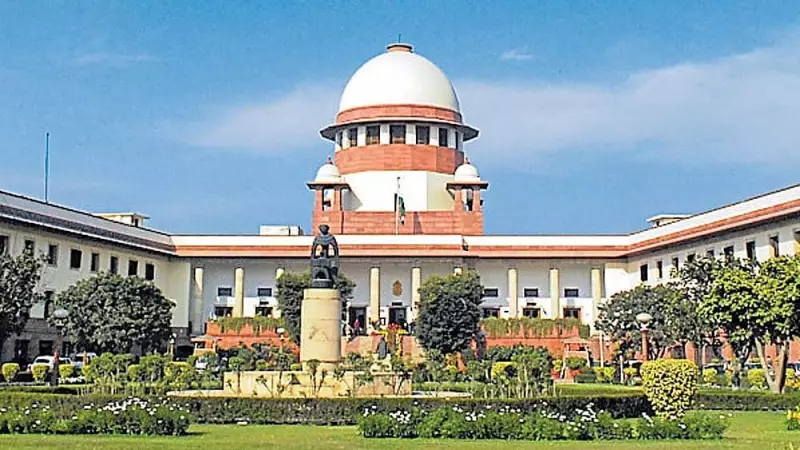
The Supreme Court of India has taken a significant step toward addressing workplace safety concerns for women legal professionals by issuing formal notices to the central government and the Bar Council of India.
Legal Battle Over Workplace Protection
This development comes as the apex court examines an appeal filed by the Supreme Court Women Lawyers Association (SCWLA) challenging a Bombay High Court verdict dated July 7. The case centers around establishing effective mechanisms for handling sexual harassment complaints under the Prevention of Sexual Harassment (POSH) Act specifically for women practicing law.
The legal petition, which prompted the Supreme Court's intervention on November 21, 2025, seeks to create a more robust framework for addressing workplace harassment concerns faced by women advocates across the country's legal system.
Background of the Case
The Supreme Court Women Lawyers Association approached the country's highest judicial authority after the Bombay High Court's decision from July 7 failed to adequately address their concerns regarding the implementation of POSH guidelines within legal profession settings.
This case highlights the unique challenges women lawyers face in professional environments and questions whether existing mechanisms provide sufficient protection and recourse for harassment complaints within legal circles.
Potential Implications for Legal Profession
The Supreme Court's decision to issue notices signals the judicial system's recognition of the importance of this matter. The outcome of this case could establish landmark guidelines for how sexual harassment complaints are handled within India's legal community.
Legal experts are closely watching the proceedings, as the verdict could mandate structural changes in how law firms, courts, and bar associations across India address workplace safety and harassment complaints involving women legal professionals.
The involvement of both the Centre and the Bar Council of India underscores the national significance of this issue and suggests that any ruling could have far-reaching consequences for the entire legal ecosystem in the country.