In a landmark ruling that clarifies the constitutional dynamics between state legislatures and governors, the Supreme Court of India has declared that no fixed timelines can be imposed on governors for giving their assent to bills passed by legislative assemblies.
The Core of the Judgment
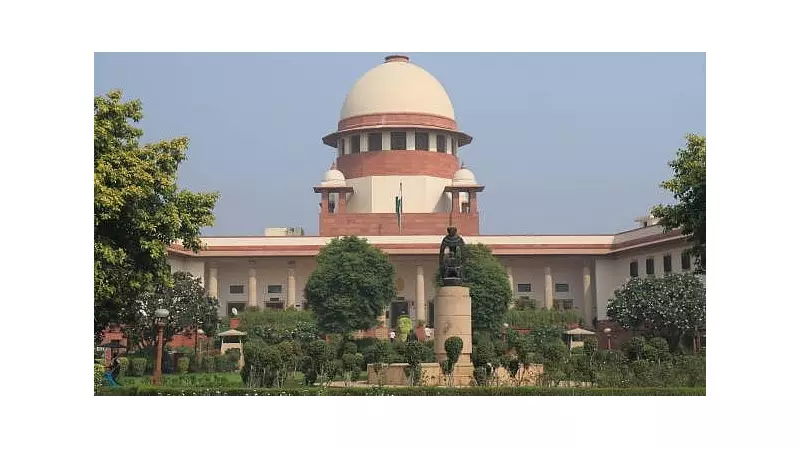
The apex court, on Thursday, November 20, 2025, delivered its significant verdict, addressing a critical question of legislative procedure. The bench firmly held that while governors are expected to perform their constitutional duties in a timely manner, the judiciary cannot set a specific deadline for them to approve or return bills sent by an elected state assembly.
This judgment came in response to a Presidential Reference seeking the court's opinion on whether a time limit could be constitutionally mandated for a governor to act on state legislation. The court's decision underscores the distinct roles defined for different branches of government, maintaining that one organ cannot micromanage the functioning of another.
Implications for State Governance
The ruling has profound implications for India's federal structure. On one hand, it reaffirms the constitutional position of the governor's office, protecting it from judicial overreach. On the other hand, it places the onus on governors to act responsibly and not unduly delay the assent to bills, a concern that has been raised in several states where legislation has remained pending for extended periods.
Legal experts suggest that the judgment emphasizes constitutional morality and convention over strict legal deadlines. It trusts that constitutional functionaries will uphold the spirit of the document and not frustrate the legislative will of elected governments without due cause.
A Balanced View on Legislative Process
By refusing to fix timelines, the Supreme Court has essentially called for a balance of power. The court acknowledged that governors have the right to thoroughly examine legislation, seek clarifications, or even return bills for reconsideration. However, this power is not meant to be a tool for political obstruction.
The verdict is seen as a middle path. It avoids a rigid, one-size-fits-all approach that could be impractical, while simultaneously sending a strong message against the misuse of power. The expectation is that governors will now be guided by a sense of constitutional duty and precedent to dispose of bills without causing unnecessary administrative paralysis.
This ruling is set to shape the future of law-making in Indian states, ensuring that while due process is respected, the work of democratically elected legislatures is not hindered indefinitely.