Supreme Court Justice Cautions Legal Community on AI Dependence at Prestigious Moot Competition
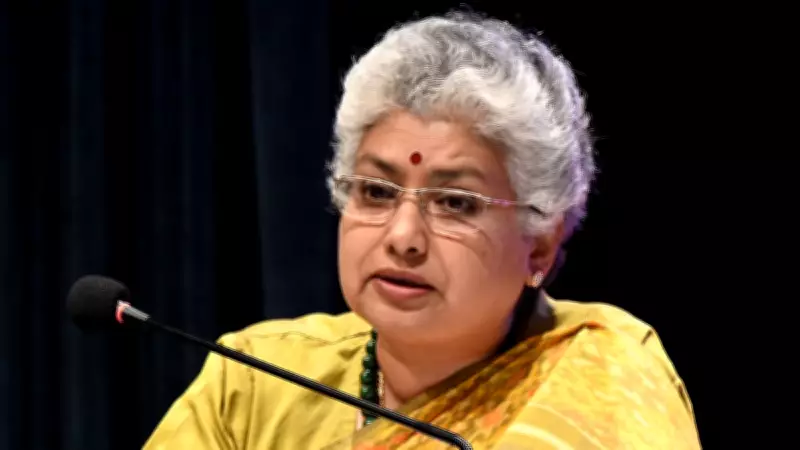
In a significant address at the K K Luthra Memorial Moot Court Competition, Supreme Court Judge Justice B V Nagarathna issued a compelling call to law students and legal professionals, urging them to prioritize natural intelligence and rigorous legal reasoning over artificial intelligence tools. The event, held in New Delhi, became a platform for critical reflection on technology's role in the legal sphere.
Rising Concerns Over Fake Citations and Unverified AI References
Justice Nagarathna expressed deep apprehension regarding the increasing prevalence of fake citations being presented before courts across India. She noted with concern that both practicing lawyers and law students are sometimes relying on AI-generated legal references without conducting proper verification or cross-checking the authenticity of these sources.
The Supreme Court judge emphasized that this trend poses serious risks to the integrity of legal proceedings and the administration of justice. "While technology offers remarkable tools for research and analysis, it cannot replace the fundamental skills of legal reasoning and critical thinking that form the bedrock of our profession," Justice Nagarathna stated during her keynote address.
The Essential Role of Natural Intelligence in Legal Education
Justice Nagarathna's remarks highlighted several crucial points for the legal community:
- AI tools should serve as supplements rather than substitutes for human legal analysis
- Students must develop strong foundational skills in legal research and reasoning
- The verification of legal sources remains an indispensable professional responsibility
- Natural intelligence encompasses ethical judgment and contextual understanding that AI currently lacks
The judge's comments come at a time when artificial intelligence applications are becoming increasingly sophisticated and accessible within legal education and practice. Her warning serves as a timely reminder about maintaining professional standards while embracing technological advancements.
Implications for Legal Education and Professional Development
This address at the prestigious K K Luthra Memorial Moot Competition carries significant implications for how law schools approach technology integration in their curricula. Justice Nagarathna's perspective suggests that while technological literacy is important, it must be balanced with traditional legal training methods that emphasize analytical thinking, ethical considerations, and meticulous research practices.
The competition itself, named after the distinguished legal scholar K K Luthra, traditionally focuses on developing advocacy skills and legal reasoning abilities among participating students from law schools across the country. Justice Nagarathna's intervention adds an important contemporary dimension to these educational objectives, addressing how emerging technologies intersect with foundational legal competencies.
As the legal profession continues to evolve with technological advancements, Justice Nagarathna's remarks provide crucial guidance for maintaining the integrity and quality of legal practice in India. Her call for balanced integration of technology while preserving core legal skills represents a thoughtful approach to professional development in the digital age.