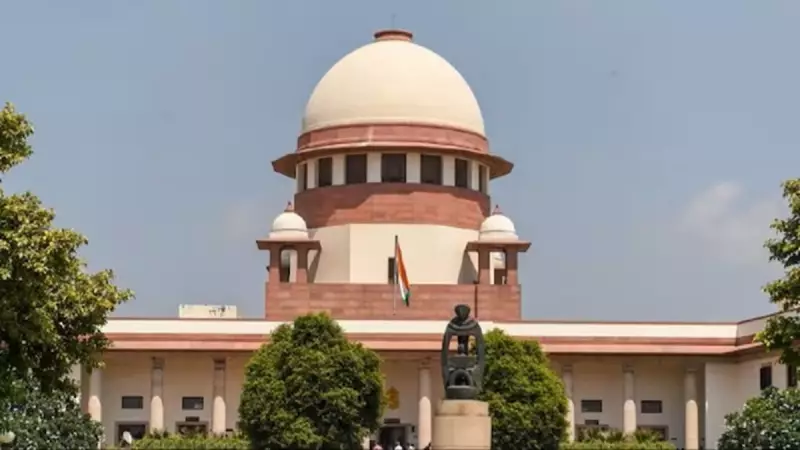
The Supreme Court of India has taken a significant step in a long-standing terrorism case by issuing formal notices to the Central Government and the National Investigation Agency (NIA). This action comes in response to a curative petition filed by convicted Lashkar-e-Taiba (LeT) terrorist Mohammad Arif, also known as Ashfaq, who is challenging the death penalty awarded to him for his role in the devastating 2000 Red Fort attack.
Legal Proceedings in the Red Fort Terror Attack Case
The bench, comprising Justices Sanjiv Khanna and Dipankar Datta, directed the Union of India and the premier anti-terror agency to submit their detailed responses. The court has scheduled the matter for further hearing in the month of July, allowing time for the concerned parties to prepare their legal arguments. A curative petition represents the final judicial remedy available within the Indian legal system, following the dismissal of both a regular appeal and a subsequent review petition.
Background of the 2000 Red Fort Terror Attack
The case stems from a horrific terrorist assault on December 22, 2000, when militants belonging to the Pakistan-based Lashkar-e-Taiba infiltrated the historic Red Fort complex in Delhi. The attack resulted in the tragic deaths of three personnel from the 7th Battalion of the Rajputana Rifles, who were stationed on guard duty. This brazen act of terrorism, targeting a symbol of national sovereignty and heritage, sent shockwaves across the country and led to a major investigation.
Mohammad Arif, a Pakistani national and identified member of LeT, was apprehended and subsequently tried under the now-repealed Prevention of Terrorism Act (POTA). After a lengthy legal process, a trial court convicted him and sentenced him to death in October 2005. His conviction and sentence were later upheld by the Delhi High Court in September 2007, and ultimately, the Supreme Court confirmed the death penalty in August 2011, dismissing his appeal.
The Path to the Curative Petition
Following the Supreme Court's 2011 verdict, Arif filed a review petition, which was also rejected by the apex court in 2012. Having exhausted these primary legal avenues, the convict has now approached the court with a curative petition, which is heard in-chamber by the judges. This rare legal recourse is generally considered on very narrow grounds, such as the discovery of new, crucial evidence or a gross miscarriage of justice that was not apparent earlier.
The issuance of notice by the Supreme Court indicates that the bench has found prima facie merit in examining the submissions made in the curative plea, warranting a formal response from the government and the prosecuting agency. This development reintroduces a critical national security and legal issue into the judicial spotlight, concerning one of the most high-profile terrorism cases in India's recent history.