Supreme Court Steps In to Address Seven-Year Detention Without Trial in Surjagarh and Elgaar Cases
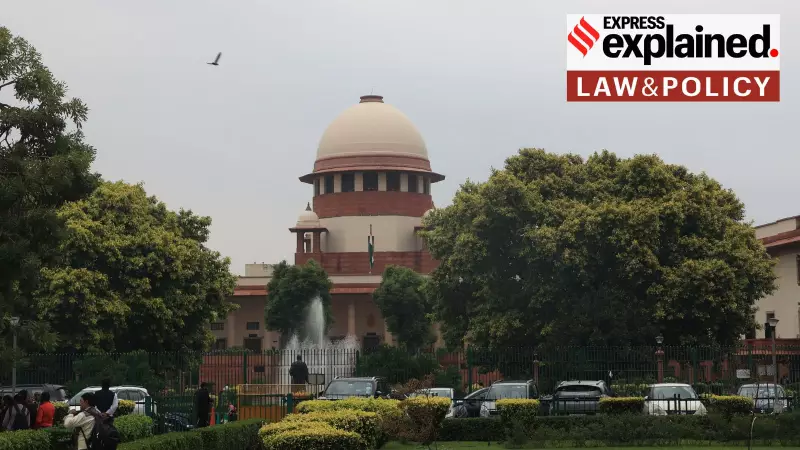
The Supreme Court of India has taken a significant step by considering the expedited trial of lawyer-activist Surendra Gadling, who has been languishing in judicial custody for seven years without a trial. Gadling, currently lodged in a Mumbai jail, faces charges in two high-profile cases: the 2016 Surjagarh arson incident and the 2018 Elgaar Parishad case. The apex court's intervention comes amid mounting concerns over prolonged incarceration and procedural delays that have stalled justice.
Background of the Cases: Surjagarh Arson and Elgaar Parishad
The Surjagarh arson case dates back to December 25, 2016, when 76 vehicles transporting iron ore from the Surjagarh mines in Maharashtra were set ablaze by armed individuals. Authorities attributed this act to members of the banned Communist Party of India (Maoist), leading to the arrest of over 15 persons. In a separate development, the Pune police arrested Surendra Gadling on June 6, 2018, in connection with the Elgaar Parishad case, alleging his involvement with CPI (Maoist) activities.
Subsequently, in January 2019, police investigations linked Gadling to the Surjagarh arson case, based on electronic evidence seized during the Elgaar Parishad probe. Charges were filed against him and others, accusing them of conspiring to disrupt mining operations in Surjagarh. Notably, co-accused Telugu poet Varavara Rao was granted medical bail in 2021, while Gadling remains in custody.
Judicial Delays and Procedural Hurdles
The trial process has been marred by multiple setbacks:
- Transfer of Cases: In 2020, the Elgaar Parishad case was transferred to the National Investigation Agency (NIA), moving proceedings from Pune to Mumbai. This shift complicated matters, as original records essential for the Surjagarh case were held in Mumbai.
- Prosecution Challenges: By 2022, the prosecution in Gadchiroli admitted it could not proceed with the Surjagarh trial due to the unavailability of original documents from Mumbai. Gadling's bail and discharge applications were subsequently rejected by lower courts.
- Court Transfers: The case was moved to a new sessions court in Aheri, Gadchiroli, in 2023, but the discharge plea remains unheard. Further delays occurred when the presiding judge was transferred in December 2025, leaving the court without a judge.
Supreme Court Hearings and Key Arguments
Gadling approached the Supreme Court in 2023, seeking bail and highlighting the injustice of prolonged detention. During hearings, the court questioned the state on the rationale behind keeping an undertrial in custody for years without trial. Key points from the proceedings include:
- Video-Conference Issues: Gadling's lawyers raised concerns about inadequate VC facilities, arguing that physical presence was necessary for a fair hearing.
- Lack of Prosecutors: It was revealed that no special or permanent prosecutor had been appointed for the case, further stalling proceedings.
- Evidence Disputes: Gadling contended that there was insufficient evidence linking him to the arson, alleging false implication due to his legal representation of Naxal-accused individuals.
The Supreme Court has now directed the state to arrange for the inspection of original documents within a week, though Gadling's counsel argued that the voluminous evidence requires more time. The court has also committed to improving VC facilities and ensuring the appointment of a judge in the Aheri court. The matter is scheduled for a hearing after one month, with the court emphasizing the need to expedite the trial to uphold justice.
Implications and Broader Context
This case underscores critical issues within India's judicial system, including:
- Undertrial Detention: Gadling's seven-year incarceration without trial raises questions about the right to a speedy trial and the humanitarian aspects of prolonged detention.
- Procedural Inefficiencies: Delays due to evidence transfers, lack of judges, and inadequate infrastructure highlight systemic challenges that need addressing.
- Legal Representation: Gadling's role as a lawyer for marginalized groups adds a layer of complexity, with allegations of targeting based on professional activities.
As the Supreme Court continues its oversight, this case serves as a pivotal example of the judiciary's role in safeguarding fundamental rights and ensuring timely justice in complex legal battles.